

CMYK Wavelength Party Game
$34.99
|CMYK Wavelength is a two-team social guessing game for 2–12 players, built around clues that place a hidden target between two opposing concepts. Your team tries to guess where you mean—a modest request until everyone discovers they interpret the same clue differently.
Prices correct as of: 27/11/2026 14:20
StuffYouMayWant is an editorial curation site. We may earn from qualifying purchases via affiliate links, at no extra cost to you.
At a glance
One-line verdict
Wavelength is a party game that makes interpreting your friends the main event, though its appeal depends on enjoying subjective clues rather than definite answers.
Best for
Friends and families with players age 14 and up who enjoy debating interpretations and want a team game that puts conversation at the center.
Skip it if
Your group prefers factual answers, independent puzzles, or decisions that don’t depend on interpreting someone else’s thinking.
The full picture
Wavelength turns a familiar social problem into a game: you know what you mean, and everyone else has somehow failed to appreciate how obvious it is. Here, that gap in interpretation is the entire point rather than an unfortunate turn in the dinner conversation.
The setup gives the disagreement a useful shape. A hidden target sits somewhere along a spectrum between two concepts. One player offers a clue to communicate its position, and their team tries to locate it. The closer the guess gets to the target’s center, the more it scores. You’re not merely asking whether someone understands a clue; you’re asking whether they understand its precise degree of meaning. Apparently, being roughly on the same page is no longer sufficient.
That makes Wavelength an appealing choice for people who like the conversation around a game as much as the result. The interesting work is in choosing a clue that other people will interpret as intended, then deciding what another person was trying to communicate. Knowing someone well gives you something to work with, but it also gives you ample reason to question their judgment. The mechanism turns those differences into material for play.
It also defines the main limitation. This is a subjective social exercise, not a test with a factual answer you can settle by remembering something correctly. A group that finds interpretation entertaining has a reason to engage; one that finds it arbitrary may spend the evening wishing for a different kind of challenge. Choose for the people at the table, not for the promise of telepathy.
The stated 2–12-player range makes it an option for both small gatherings and larger groups, with a manufacturer-listed average play time of 45 minutes. The recommended minimum age is 14, so its family-game appeal is aimed at teens and adults. For that audience, Wavelength offers a particularly focused game-night proposition: give people a reason to explain themselves, then make the explanation count.
The Irresistible
- The hidden-target spectrum makes degrees of interpretation matter, turning a simple clue into a revealing team discussion.
The Clever Part
- Supports 2–12 players, giving it a place at both smaller gatherings and larger game nights.
- Closeness-based scoring rewards a near miss rather than treating every imperfect guess alike.
The Fine Print
- The subjective clue-reading can frustrate players who want factual answers or less dependence on another person’s thinking.
Buyer questions answered
How many people can play Wavelength?
Wavelength supports 2–12 players and is structured as a two-team social guessing game.
How long does Wavelength take to play?
The manufacturer lists an average play time of 45 minutes.
What age is Wavelength recommended for?
The manufacturer recommends Wavelength for ages 14 and up.
How does Wavelength work?
Each round, one player gives a clue intended to place a hidden target along a spectrum between two concepts. Their team guesses the target’s position and scores more the closer its guess lands to the center.
Inside this drop
More from Vol. 46
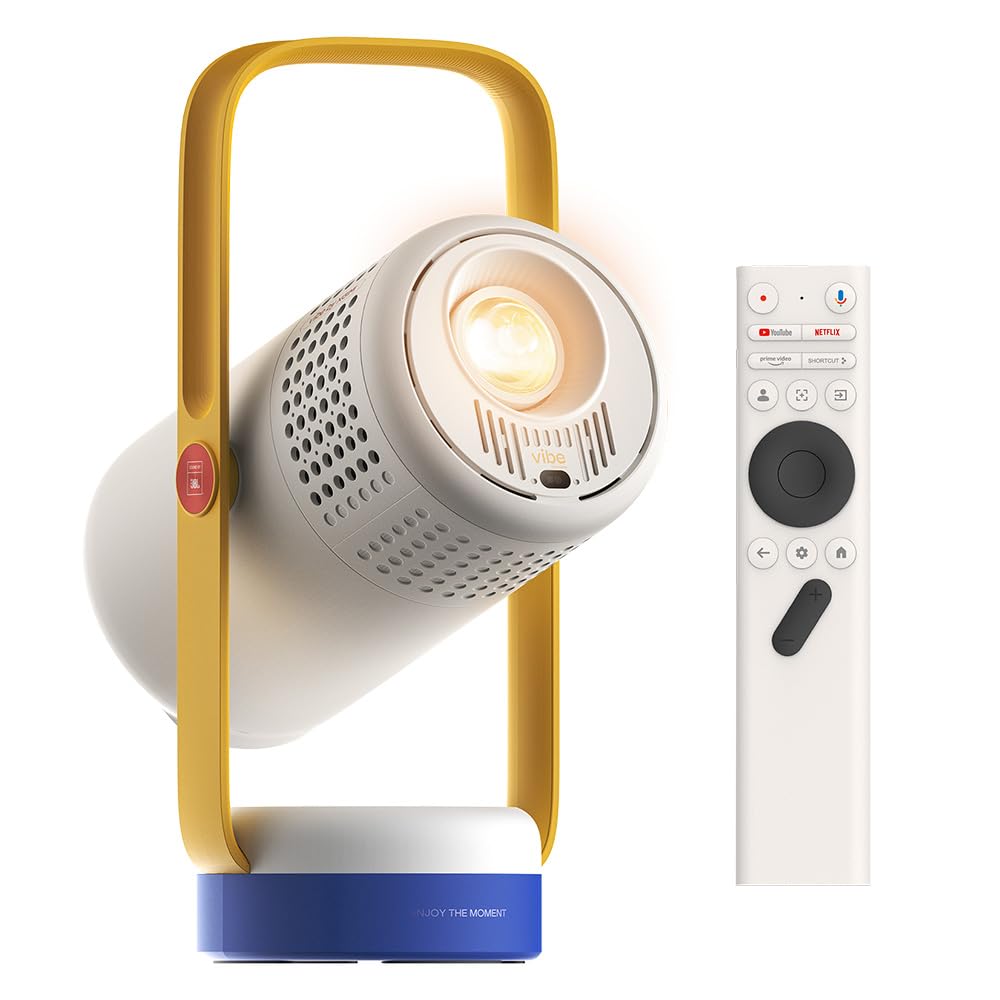
XGIMI Vibe One Battery-Powered Portable Projector
A portable 1080p LCD projector with a built-in battery, automatic focus and keystone correction, and a 160° stand that doubles as a carry handle. Its adjustable design makes temporary viewing appealing; its battery is better suited to an episode than a movie night.

Netatmo Indoor Outdoor Weather Station
A two-module weather station that measures indoor and outdoor temperature and sends both sets of readings to a Netatmo account over Wi-Fi. The indoor module also measures mean sea-level pressure. Useful for putting actual numbers behind the household debate about whether it’s colder outside.
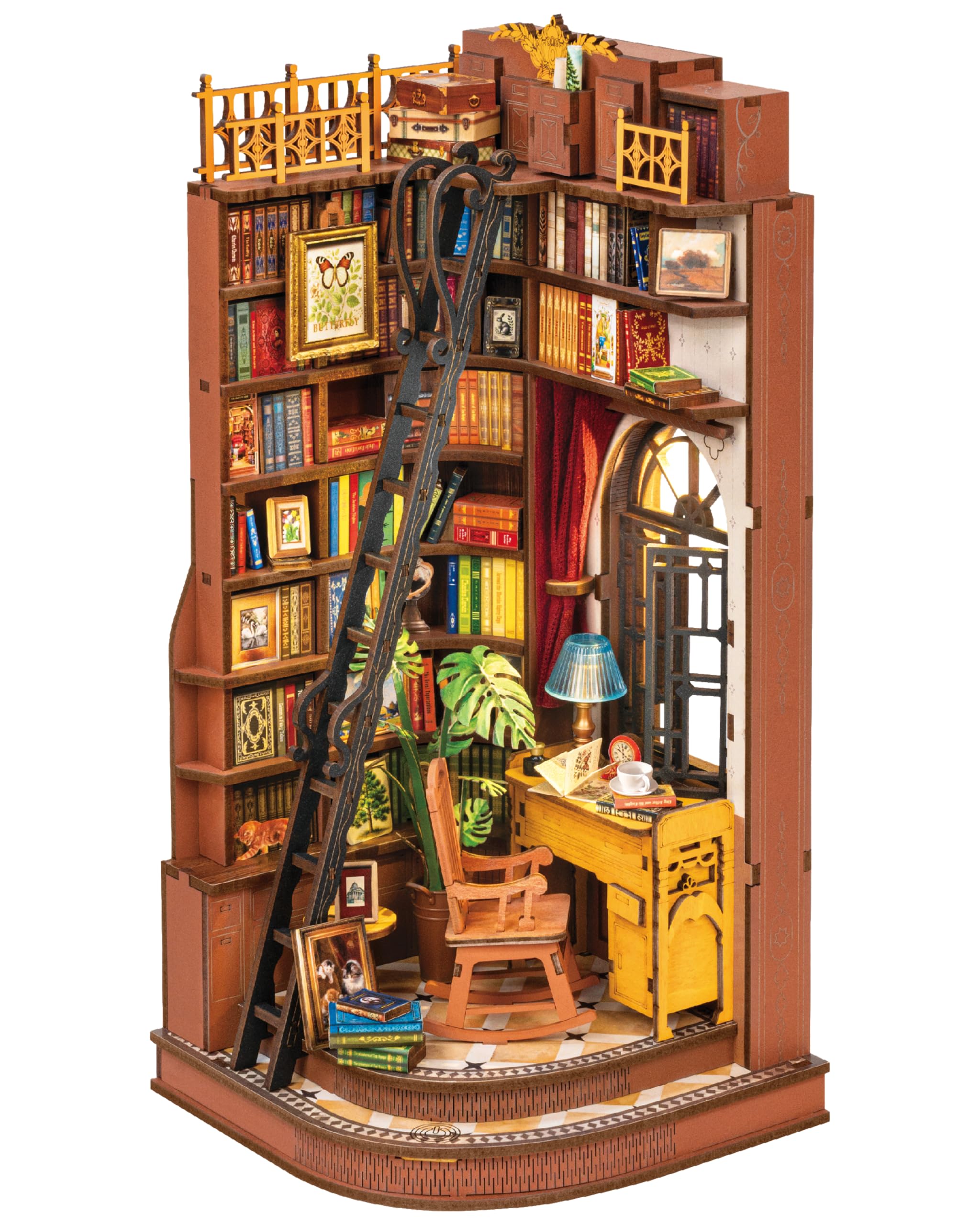
Rolife Silent Corner Study Book Nook Kit
A 196-piece wooden DIY book nook depicting a miniature study/library scene. The Rolife Silent Corner Study TGE02 turns a little shelf space into a room devoted to books—an appropriately recursive project for someone whose shelves are already full of them.

Atari 2600+ Retro Game Console
The Atari 2600+ plays most Atari 2600 and 7800 cartridges through HDMI, pairing an old-fashioned cartridge slot with modern emulation. A CX40+ joystick and 10-in-1 cartridge come included. It preserves the part of retro gaming that involves actually picking something off a shelf.
Keep browsing
More Games & Hobbies finds you may want
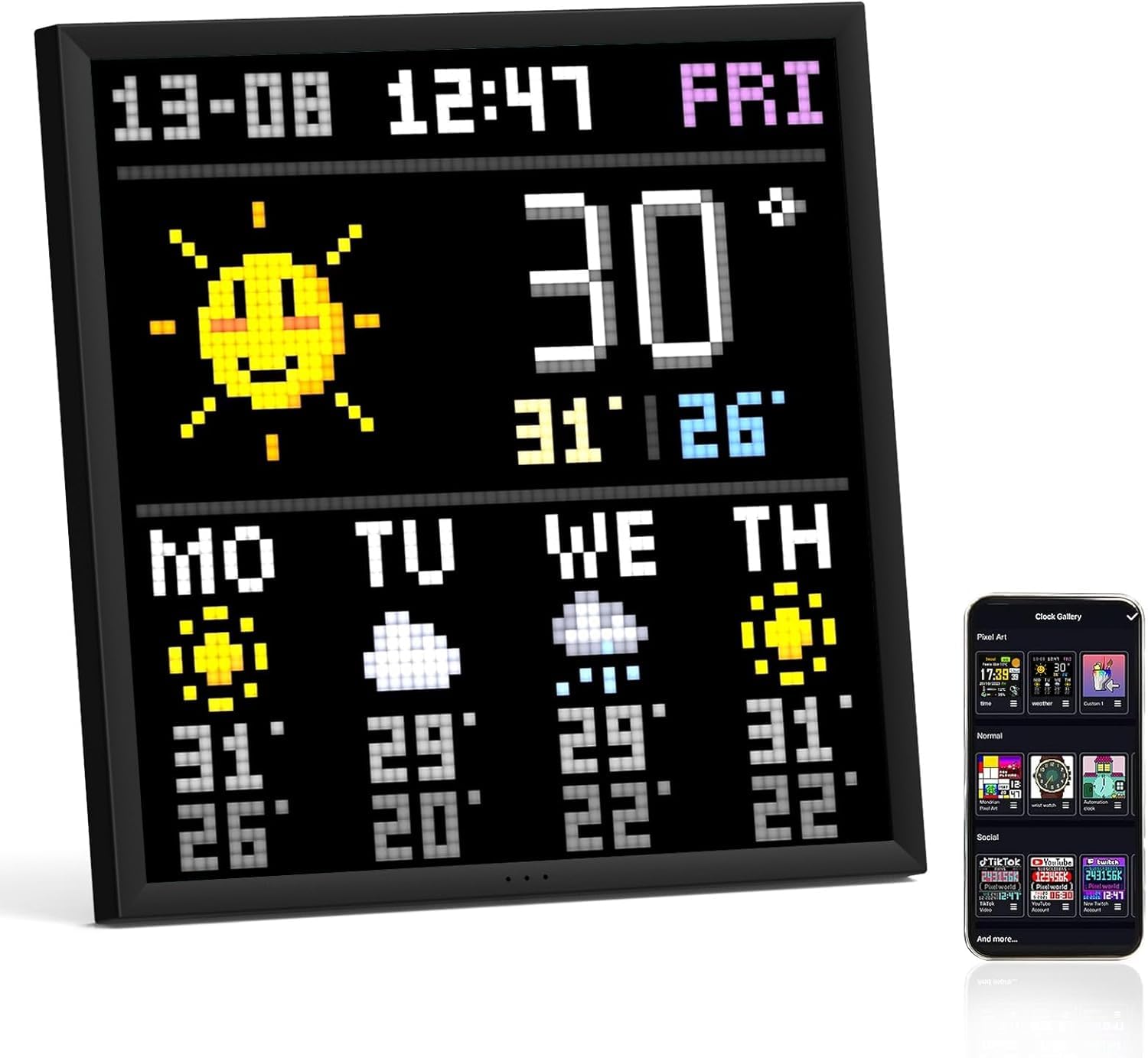
Divoom Pixoo-64 Pixel Art Display
The Divoom Pixoo-64 is a 10.3-inch WiFi pixel art display with a 64x64 LED panel, perfect for art enthusiasts and gamers alike. With a clever app control, you can customize your display with your own pixel art and animations, offering a whimsical touch to your decor.
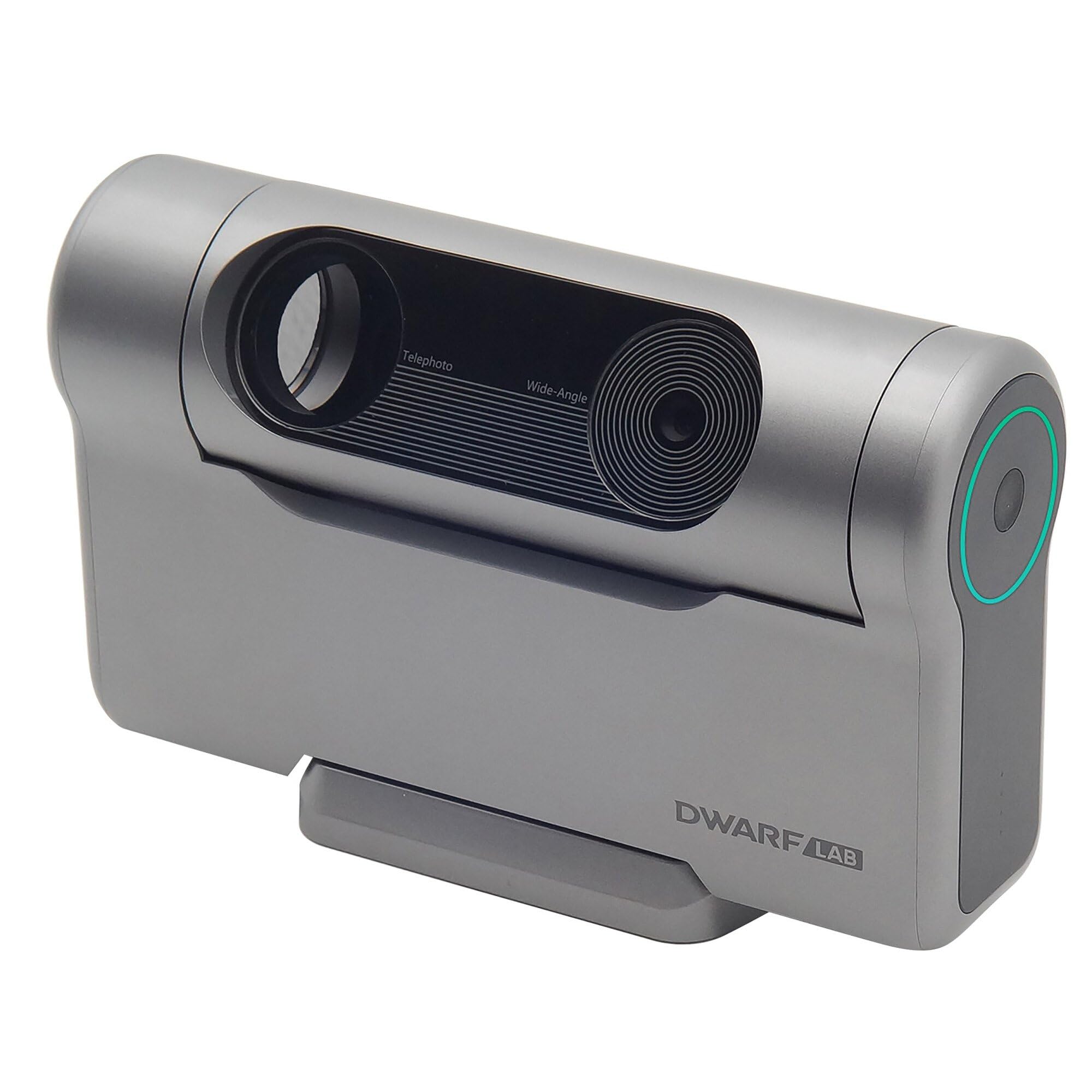
DWARFLAB Dwarf 3 Smart Telescope
The DWARFLAB Dwarf 3 is a smart telescope for imaging the sky, with telephoto and wide-angle cameras, three built-in filters, 128 GB of storage, and a built-in battery. It packages several astrophotography essentials together, though the stars still expect you to take setup seriously.
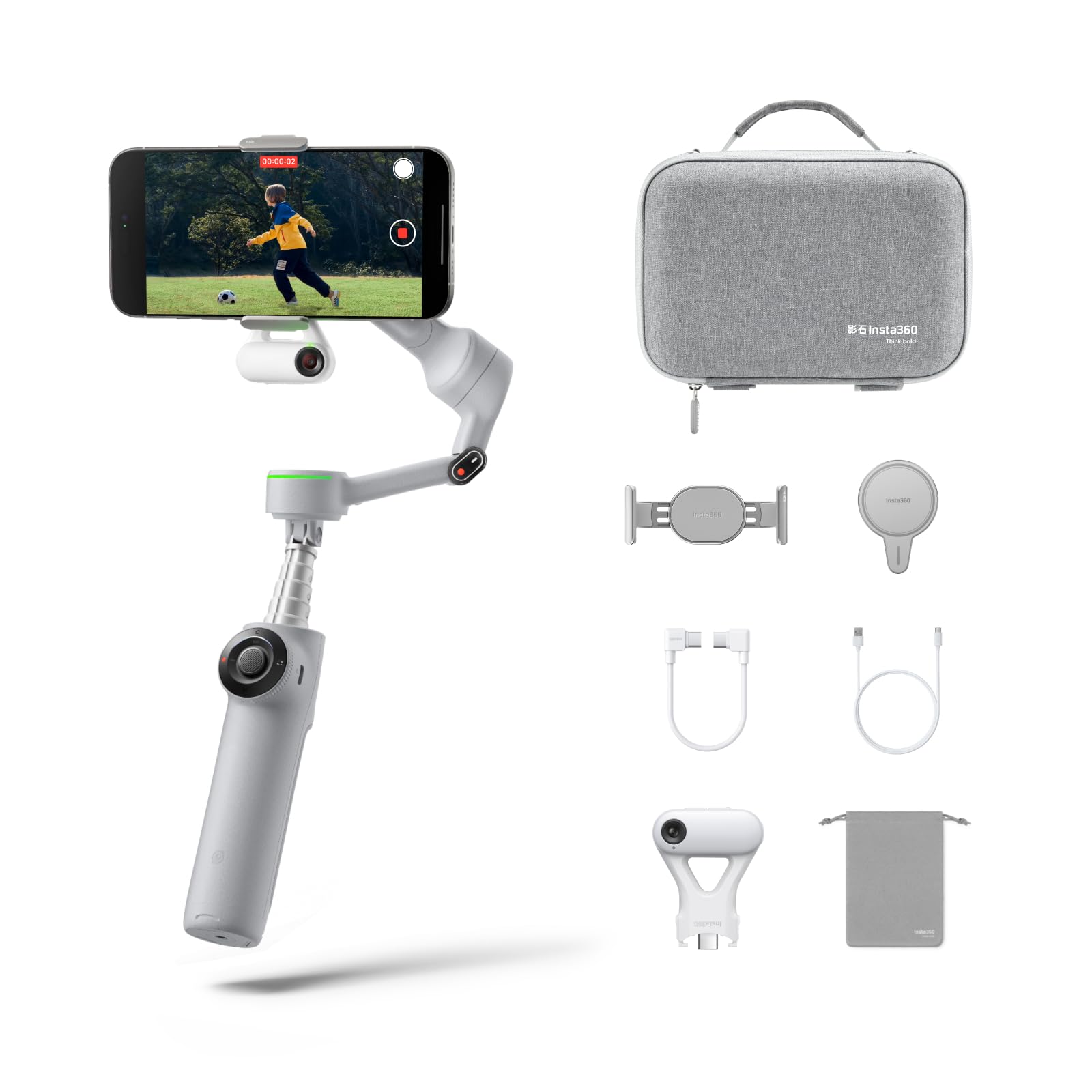
Insta360 Flow 2 Pro Phone Gimbal
The Insta360 Flow 2 Pro is a foldable phone gimbal for compatible iPhone and Android devices, with a built-in tripod, 210 mm selfie stick, USB-C charging, and power output. It is for people who have decided a shaky coffee-shop video is now a personal insult.
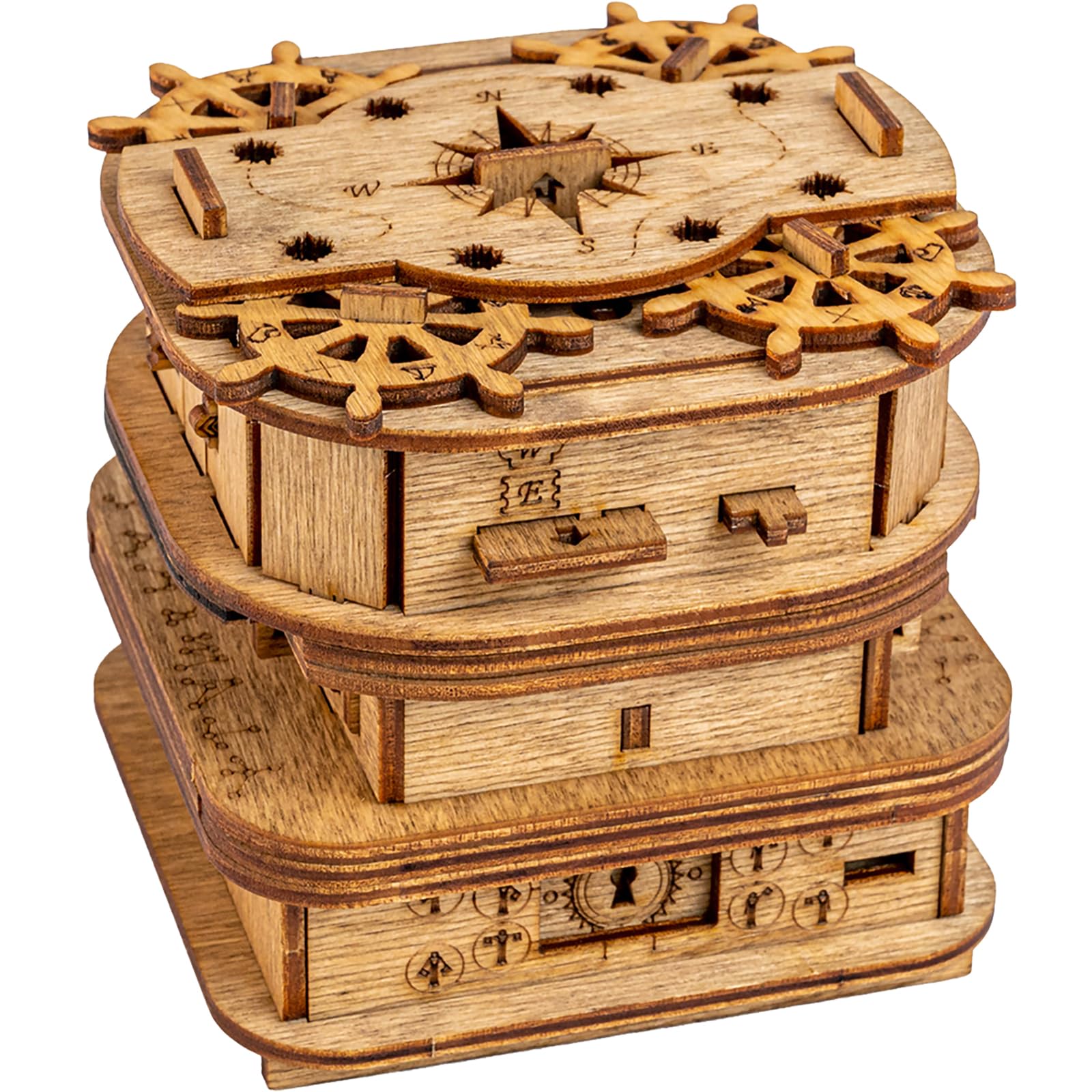
iDventure Cluebox Davy Jones' Locker Puzzle Box
A handcrafted wooden puzzle box that turns sequential mechanical riddles into a miniature escape-room experience. Built from 72 laser-cut birch-wood pieces, Davy Jones' Locker hides a compartment behind something considerably less cooperative than a lid.