
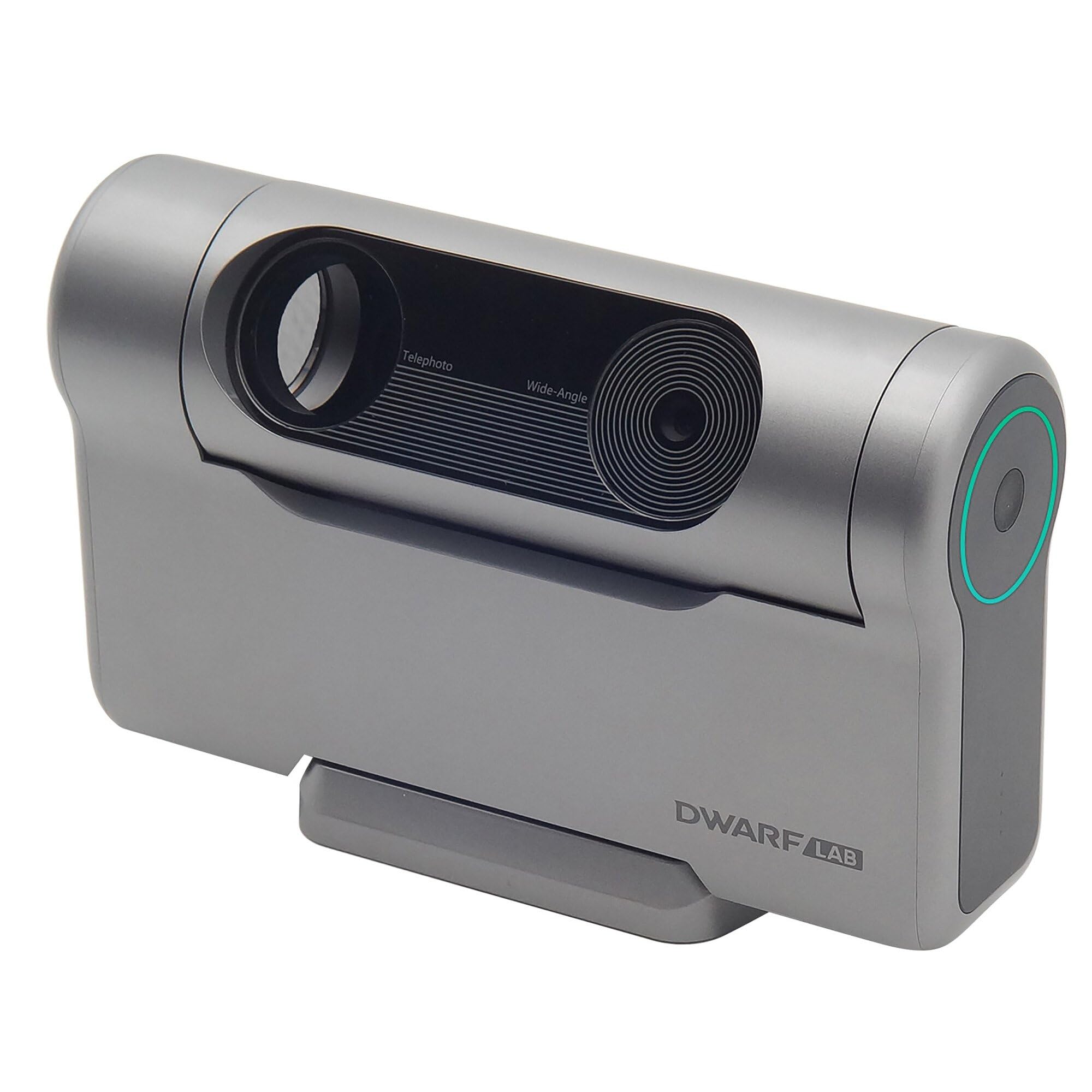
DWARFLAB Dwarf 3 Smart Telescope
$549
|The DWARFLAB Dwarf 3 is a smart telescope for imaging the sky, with telephoto and wide-angle cameras, three built-in filters, 128 GB of storage, and a built-in battery. It packages several astrophotography essentials together, though the stars still expect you to take setup seriously.
Prices correct as of: 09/10/2026 16:23
StuffYouMayWant is an editorial curation site. We may earn from qualifying purchases via affiliate links, at no extra cost to you.
At a glance
One-line verdict
An appealing smart telescope for photography-minded sky watchers, provided you accept that longer deep-sky exposures require manual settings, EQ Mode, and a stable setup.
Best for
Photography-minded astronomy hobbyists who want an integrated sky-imaging device and are willing to learn exposure settings and EQ Mode.
Skip it if
You want long-exposure deep-sky photography to remain entirely automatic, or you cannot provide a stable support location.
The full picture
The DWARFLAB Dwarf 3 makes the most sense if your interest in astronomy ends with “I want a picture of that.” Its appeal is the combination of sky-imaging hardware and practical essentials in one device: cameras, built-in filters, storage, and a battery. This is a photographic hobby instrument, not merely another gadget with a celestial name and ambitious wallpaper.
The telephoto camera uses a Sony IMX678 STARVIS 2 sensor. Alongside it sits a fixed-focus wide-angle lens with a 3.4 mm aperture and 6.7 mm focal length, equivalent to 45 mm. Those two cameras give the device different framing options, while the lens assembly can rotate 340 degrees horizontally and 240 degrees vertically. The interesting proposition is having multiple imaging tools in the same telescope, rather than assembling every part of a sky-photography setup separately.
The three built-in filters are a particularly purposeful inclusion. VIS covers 430–650 nm, Astro covers 430–690 nm, and the Duo-band filter targets Hα and OIII wavelengths. These are distinct spectral choices, not three names for a cosmetic effect. For someone interested in learning how astronomical subjects are photographed, that gives the Dwarf 3 room to become more than a one-setting novelty. It does not, by itself, establish how good the resulting images will be.
The important buying boundary is exposure control. In Deep Sky Mode, Auto Mode stops at 15 seconds; longer exposures require Manual Mode. EQ Mode is recommended at 15 seconds and above, and mandatory at 30 seconds and above. In other words, automation has a handoff point. Buyers who enjoy gradually taking control may welcome that progression. Anyone expecting every longer exposure to happen with no additional decisions should reconsider.
Physical setup matters, too. Tripod instability, light wind, and ground vibrations can affect long-exposure tracking and leave stars elongated or blurred. A standard 1/4-inch–20 UNC tripod connection gives you a familiar mounting option, but familiar does not mean magically steady. The sky is a demanding photographic subject; it declines to hold still while you negotiate with a wobbly tripod.
The less glamorous provisions are useful. There is 128 GB of built-in eMMC storage, a 10,000 mAh battery, and support for external USB charging. A carrying bag is included, along with a USB-C cable, wipe cloth, and magnetic solar filters with their own pouch. Solar imaging requires a solar filter—this is a safety requirement, not an optional creative accessory.
We would choose the Dwarf 3 for the buyer who wants astronomy to become an imaging project, with settings to explore and specialized filters already aboard. Its distinctive appeal is integration, not freedom from technique. If learning the process is part of the pleasure, that is a convincing proposition. If the process is the thing you hoped to eliminate, the longer-exposure requirements are your answer.
The Irresistible
- Telephoto and wide-angle cameras plus three built-in spectral filters make this a genuinely specialized sky-imaging device.
The Clever Part
- 128 GB of built-in storage and a 10,000 mAh battery keep key imaging essentials onboard.
- External USB charging and a standard tripod thread provide practical setup flexibility.
- The package includes a carrying bag and magnetic solar filters with a dedicated pouch.
The Fine Print
- Deep Sky Auto Mode tops out at 15-second exposures; going longer requires Manual Mode, with EQ Mode mandatory from 30 seconds.
- Long-exposure tracking is sensitive to tripod stability, light wind, and ground vibrations.
Buyer questions answered
How long can the Dwarf 3 expose in Deep Sky Auto Mode?
Deep Sky Auto Mode limits exposures to 15 seconds. Longer exposures require Manual Mode; EQ Mode is recommended for exposures of 15 seconds or longer and mandatory at 30 seconds or longer.
Can you use the Dwarf 3 to photograph the Sun?
Yes, but a solar filter must be used when imaging the Sun. Magnetic solar filters and a solar-filter pouch are included in the manufacturer's listed package.
Inside this drop
More from Vol. 40

Nex Playground Active Play System
Nex Playground is a TV-connected active play system that tracks 18 body points and supports up to four players at once. Five starter games are included, with Play Pass unlocking the wider library. It gives family screen time a different posture—specifically, not the one molded into the couch.

Positive Grid Spark GO Guitar Amplifier
A battery-powered, 5-watt guitar amp with a 2-inch speaker, app-based amp modeling and effects, and a stereo headphone output. At 0.76 lb, the Spark GO is built for the practice session that doesn't need to become a furniture arrangement.

Xiaomi Portable Electric Air Compressor 2 Pro Tire Inflator
A battery-powered tire inflator with preset pressure, automatic shutoff, and modes for vehicles, bicycles, and balls. The Xiaomi 2 Pro covers a broad range of inflation chores, though its roughly two-pound weight makes “portable” more convincing in a trunk than on a bike.

Hotel Chocolat ALL-NEW Velvetiser Chocolate Maker
A dedicated hot and cold drinking chocolate maker with a custom-designed whisk and ridged InnerPod that create a vortex effect. Its 2.5-minute preparation cycle turns a chocolate craving into a small kitchen ritual—without recruiting a saucepan.
Keep browsing
More Games & Hobbies finds you may want
Divoom Pixoo-64 Pixel Art Display
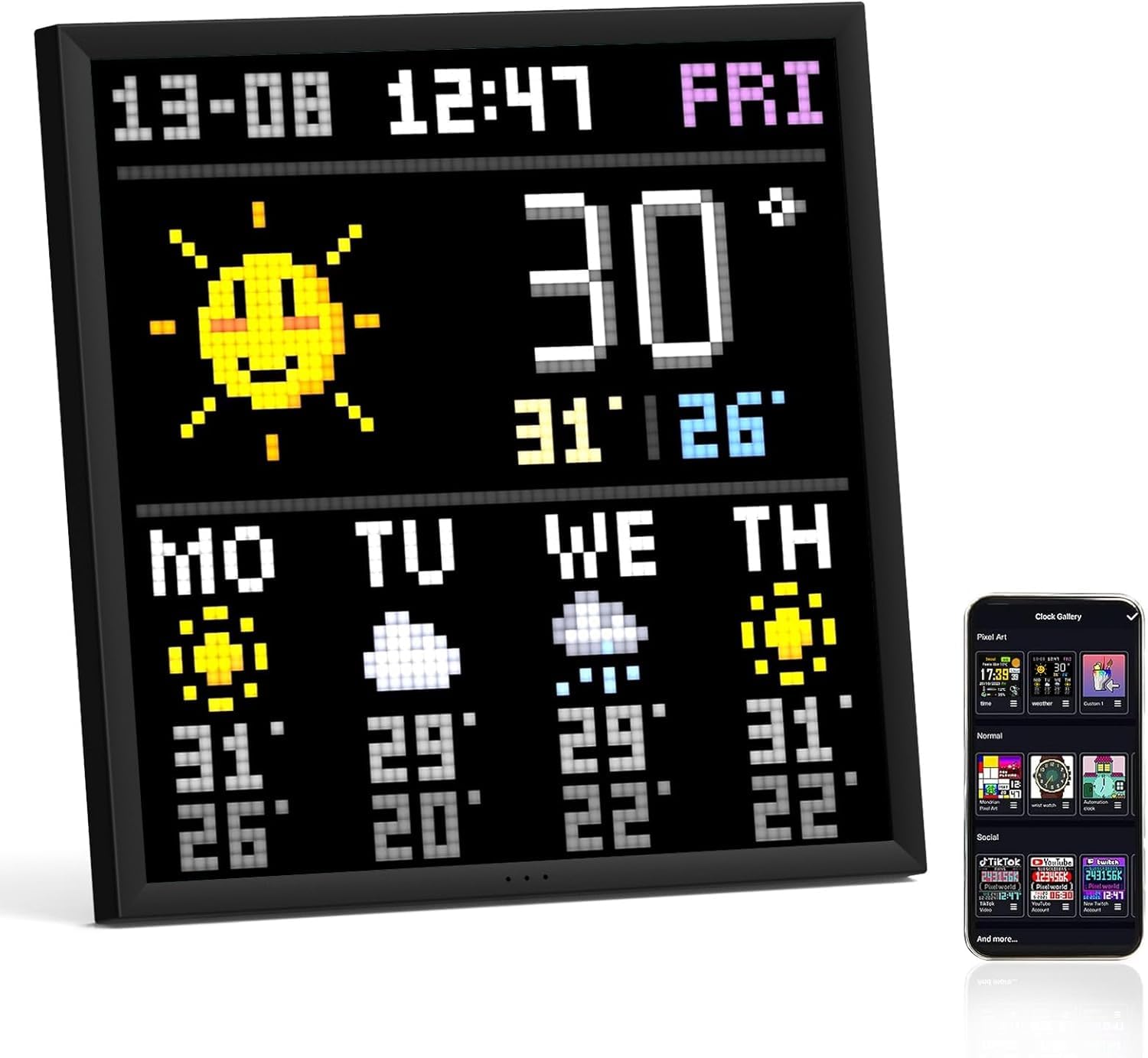
The Divoom Pixoo-64 is a 10.3-inch WiFi pixel art display with a 64x64 LED panel, perfect for art enthusiasts and gamers alike. With a clever app control, you can customize your display with your own pixel art and animations, offering a whimsical touch to your decor.
Insta360 Flow 2 Pro Phone Gimbal
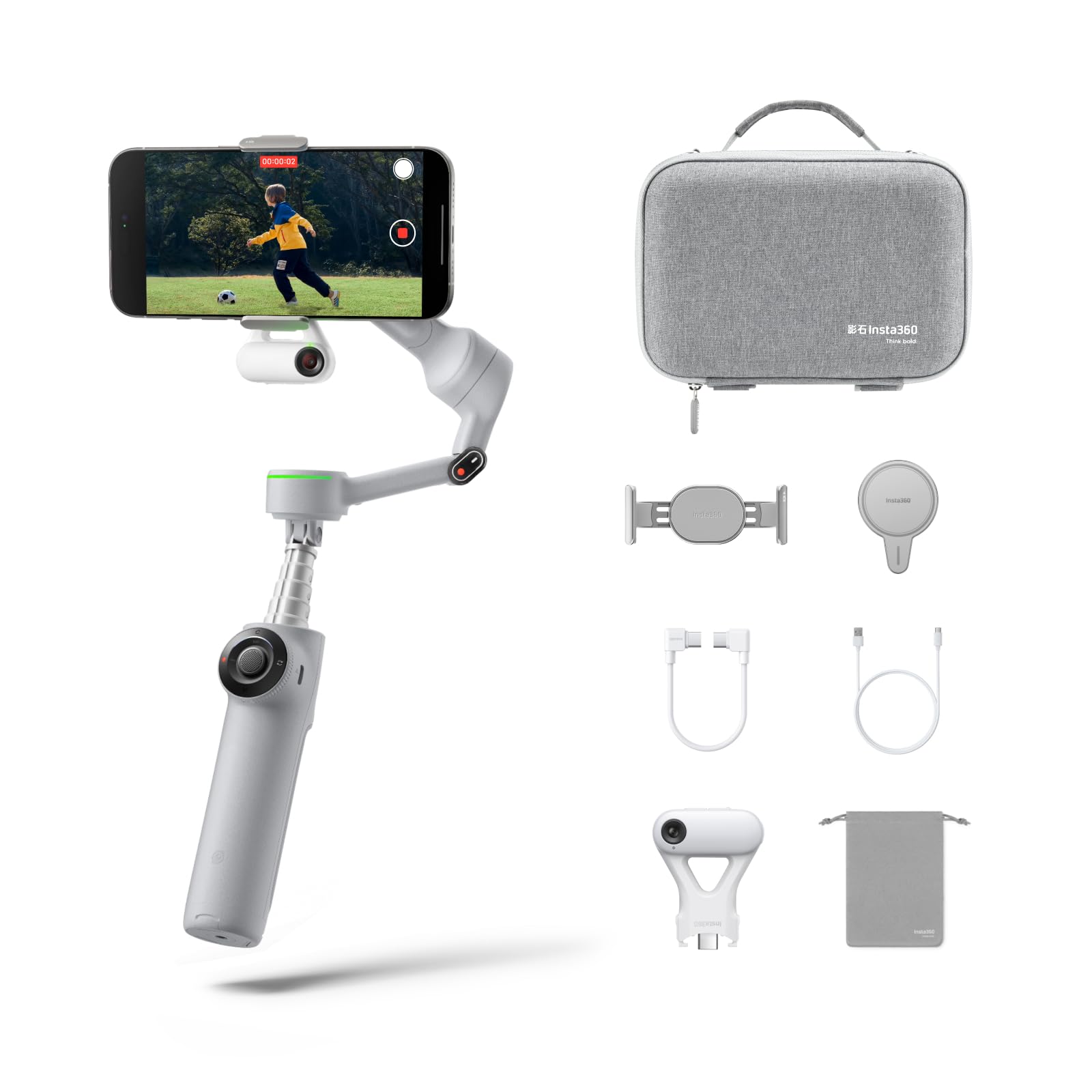
The Insta360 Flow 2 Pro is a foldable phone gimbal for compatible iPhone and Android devices, with a built-in tripod, 210 mm selfie stick, USB-C charging, and power output. It is for people who have decided a shaky coffee-shop video is now a personal insult.

Insta360 GO 3S 64GB Arctic White Vlogging Camera
The Insta360 GO 3S 64GB Arctic White is a tiny 4K vlogging camera with a separate Action Pod, live preview capability, and a standalone camera rated waterproof to 10 m with its Lens Guard installed. It exists for people who have decided their dog’s commute needs a director’s cut.

Fujifilm instax mini Evo Hybrid Camera
The brown Fujifilm instax mini Evo is a hybrid instant camera and smartphone printer with Bluetooth-linked printing, remote shooting, image transfer, and firmware updates. Its 10 lens effects and 10 film effects offer 100 combinations, because apparently a tiny photo also needs a creative department.