

CMYK Wavelength Party Game
£19.99
|Wavelength is a two-team social guessing game for 2–12 players, aged 14 and over. One player gives a clue to locate a hidden target between two concepts; their teammates try to judge where it belongs. Knowing your friends is useful. Agreeing with them is another matter.
Prices correct as of: 27/11/2026 14:20
StuffYouMayWant is an editorial curation site. We may earn from qualifying purchases via affiliate links, at no extra cost to you.
At a glance
One-line verdict
A distinctive party game that turns differences of interpretation into the entertainment, provided your group enjoys discussing a clue rather than finding one objectively correct answer.
Best for
Friends and families with players aged 14 and over who enjoy verbal clues, subjective judgments and discovering quite how differently they interpret the same idea.
Skip it if
Your group wants factual answers and minimal discussion, or you need a copy guaranteed to include English-language instructions.
The full picture
Wavelength makes a game out of the gap between what someone says and what everyone else thinks they mean. Instead of asking your team to retrieve a fact, it asks them to interpret a clue precisely enough to locate a hidden target on a spectrum. This is a much more interesting test of friendship than remembering a birthday, though probably not an acceptable replacement.
The central mechanism gives that interpretation a measurable destination. Each round, one player supplies a clue intended to place the target somewhere between two concepts. Their teammates judge where it belongs, and guesses nearer the target’s centre score more. You are not simply identifying an idea: you are deciding how strongly it leans in a particular direction. That distinction is the reason to choose Wavelength over a more conventional guessing game.
It also creates an appealing tension for the clue-giver. A clue needs to communicate a position, not merely point towards one end of the spectrum. Something that seems perfectly calibrated in one person’s head may land rather differently with the rest of the team. The resulting disagreement is not a diversion from the game. It is largely what you came for. There is considerable social potential in discovering that someone you know well has been operating a completely different internal scale all this time.
For a mixed gathering, the attraction is a shared task built around interpretation rather than factual recall. The two-team structure gives players a common decision to work towards, while the stated 2–12-player range accommodates different-sized gatherings. That range is useful flexibility, although it should not be read as a promise that a pair and a full room will produce the same social experience. The manufacturer recommends ages 14 and over, so this is a family option for teenagers and adults rather than a universal children’s game.
The main compromise follows directly from its appeal. If your group dislikes subjective judgments, or wants an answer that can conclusively end an argument, Wavelength may feel like an organised invitation to disagree. A hidden target settles the scoring; it does not establish whose interpretation was philosophically correct. Anyone hoping to have the final word should make other plans.
There is also a practical edition caveat: English-language instructions are not guaranteed with the listed contents. That matters for a game whose starting point is communicating meaning, and rules-language certainty is worth treating as a buying requirement rather than an afterthought.
Our judgment is that Wavelength earns its place by giving conversation a genuinely purposeful mechanism. Choose it for people who enjoy working out how others think, not merely proving that their own answer is right. The target supplies the discipline; your friends supply the questionable reasoning.
The Irresistible
- The hidden target turns subjective clue interpretation into a precise shared challenge, rather than an open-ended conversation.
The Clever Part
- Closer guesses score more, so accuracy matters beyond simply choosing the right end of the spectrum.
- Supports 2–12 players, with a recommended minimum age of 14.
The Fine Print
- Subjective interpretation is central to play; groups wanting factual certainty or little discussion may find it frustrating.
- English-language instructions are not guaranteed.
Buyer questions answered
How many people can play Wavelength?
Wavelength supports 2–12 players and is described as a two-team social guessing game.
What age is Wavelength suitable for?
The manufacturer recommends Wavelength for ages 14 and over.
How does Wavelength work?
Each round, one player gives a clue intended to place a hidden target along a spectrum between two concepts. Their team guesses the target’s position, scoring more the closer its guess is to the centre.
Inside this drop
More from Vol. 46
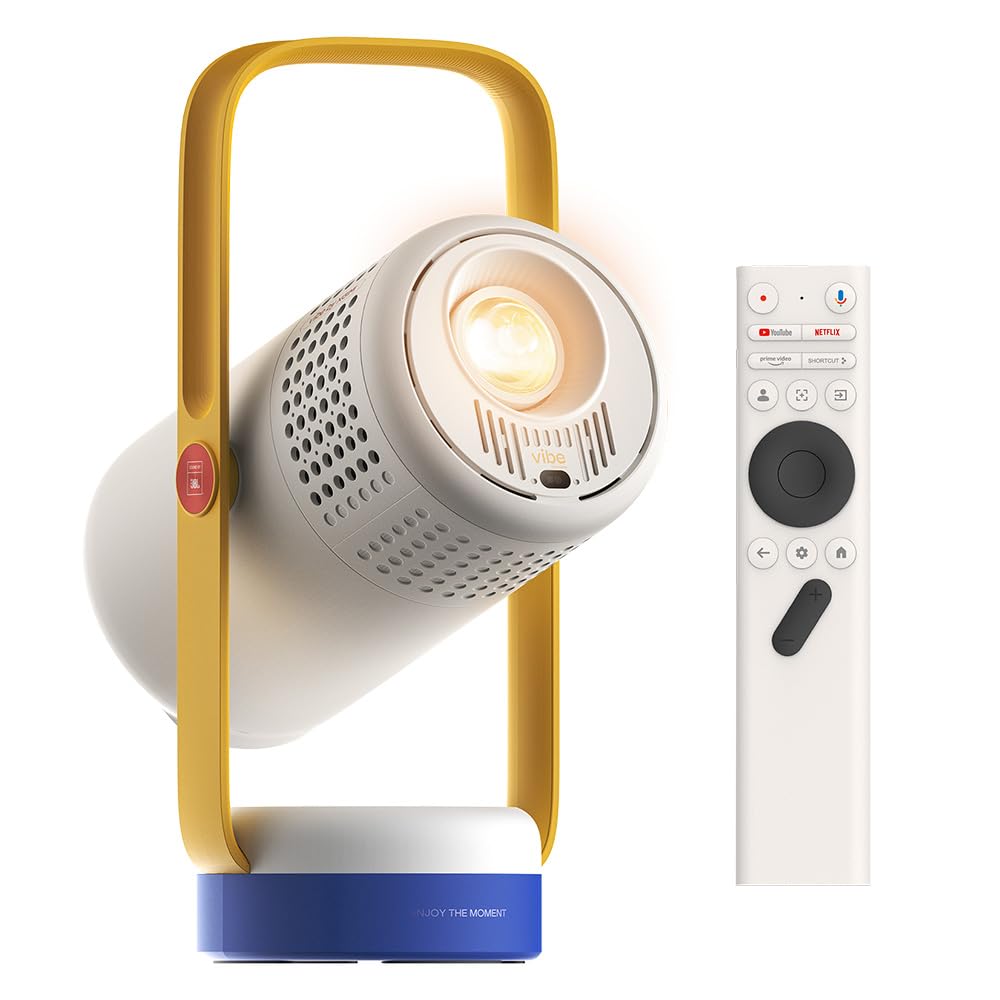
XGIMI Vibe One Portable Projector
A battery-powered 1080p projector with automatic focus and keystone correction, plus a 160° stand that doubles as its handle. The XGIMI Vibe One makes moving the screen around appealingly straightforward; keeping it running through a full-length film is another matter.

Netatmo NWS01-EU Indoor Outdoor Weather Station
A two-module weather station that measures indoor and outdoor temperature, with mean sea-level pressure measured indoors. The outdoor sensor reports wirelessly to the indoor module, which sends both sets of measurements to a Netatmo account over Wi-Fi. For those who would prefer their weather conversations to have supporting evidence.
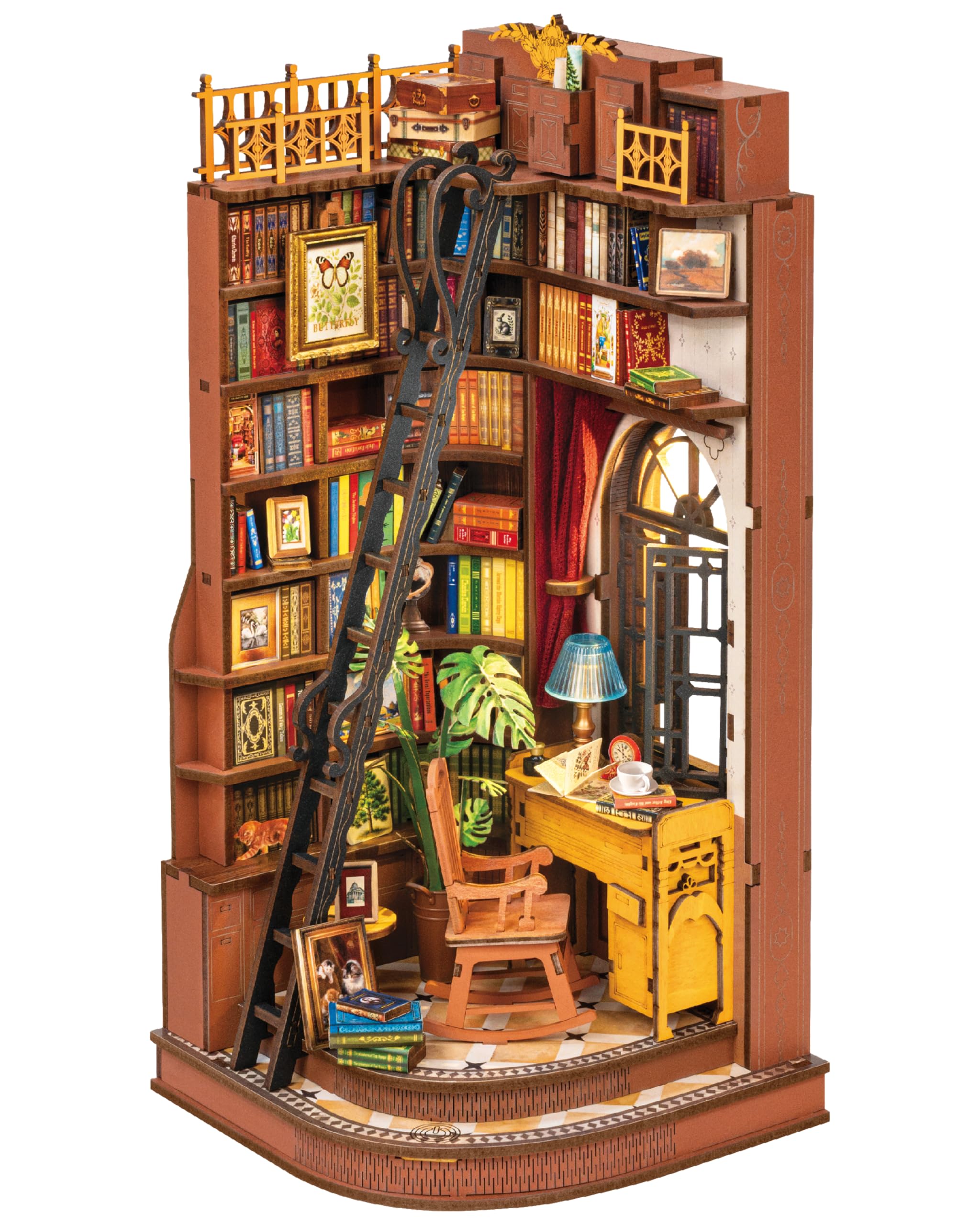
Rolife Silent Corner Study Book Nook Miniature Model Kit
A 196-piece DIY miniature kit that builds into a study/library book nook at 1:24 scale. Rolife’s Silent Corner Study turns the idea of a quiet reading space into a small construction project: you assemble the room rather than merely wishing you had one.

Atari 2600 Plus Games Console
The Atari 2600+ is a cartridge-playing retro console with HDMI output, a CX40+ joystick and a 10-in-1 game cartridge included. It brings a very physical sort of gaming back to the television, without requiring the television to be equally ancient.
Keep browsing
More Games & Hobbies finds you may want
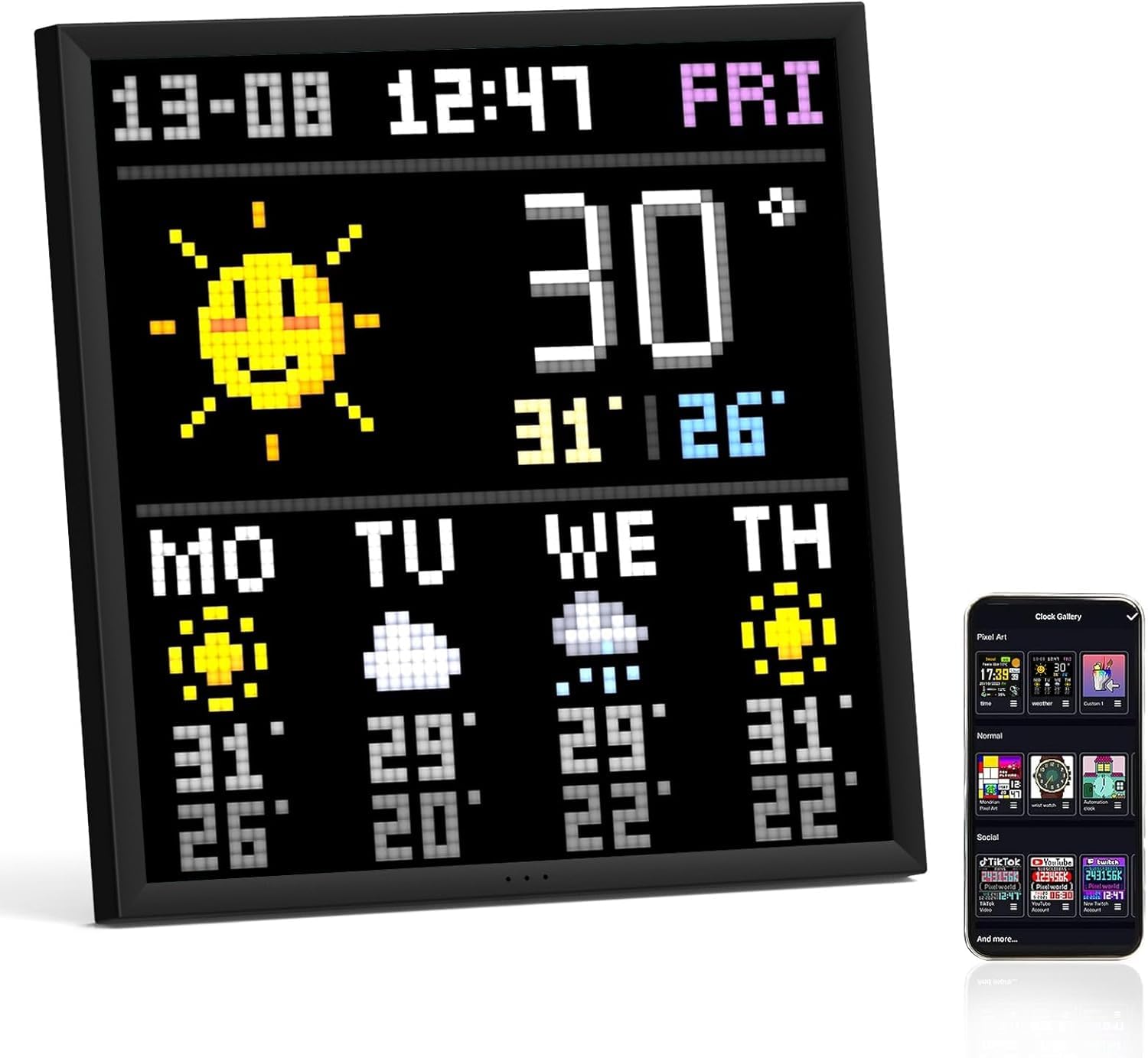
Divoom Pixoo-64 Pixel Art Display
The Divoom Pixoo-64 is a whimsical 10.3-inch WiFi pixel art display boasting a 64x64 LED panel. It's an odd yet delightful canvas for digital artistry, perfect for spicing up your decor or keeping your social media followers entertained.
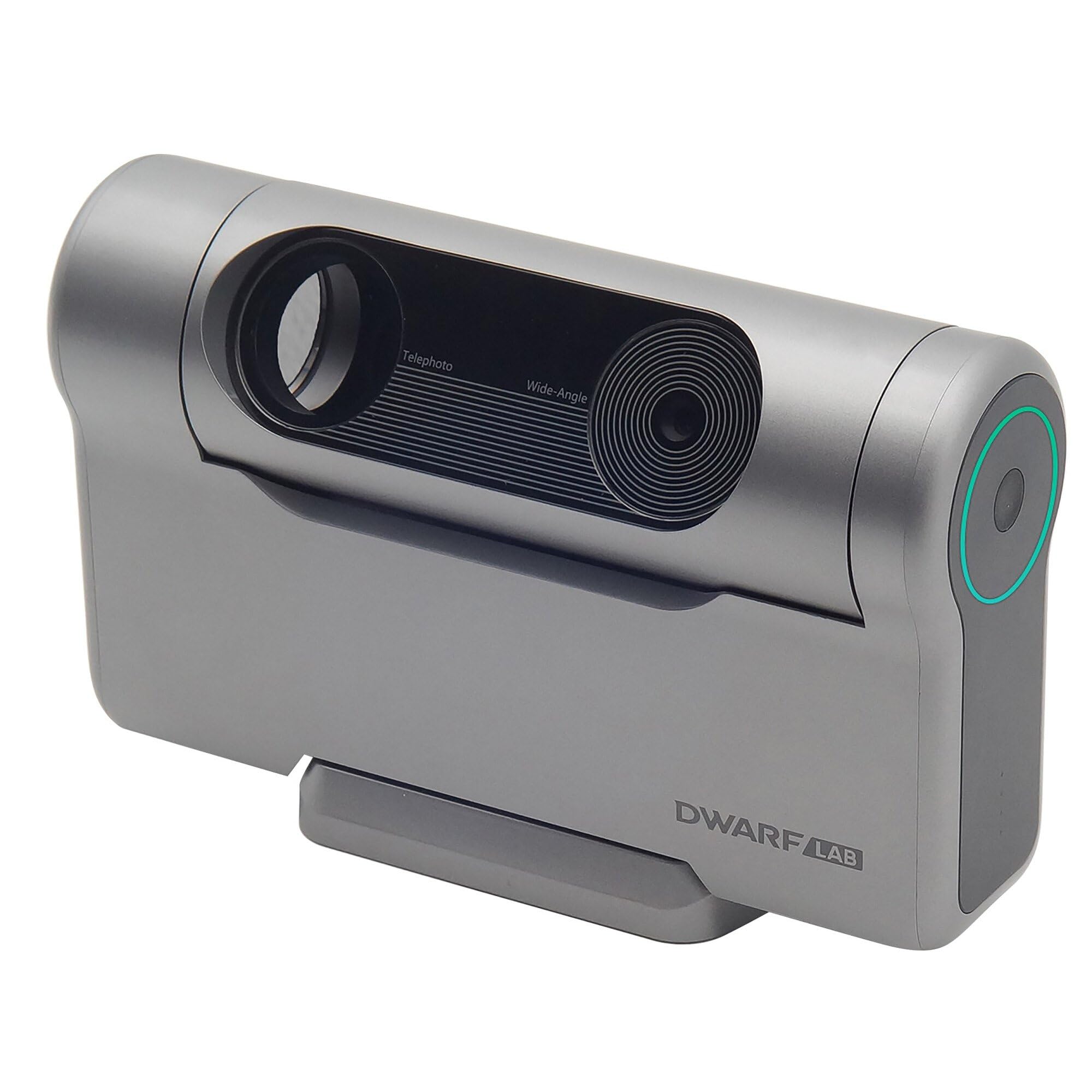
DWARFLAB DWARF 3 Smart Telescope
A compact imaging telescope with built-in astronomical filters, 128 GB of storage and a rechargeable battery. The DWARF 3 makes a specialised hobby physically manageable, though long-exposure astronomy still expects you to take the setup seriously.
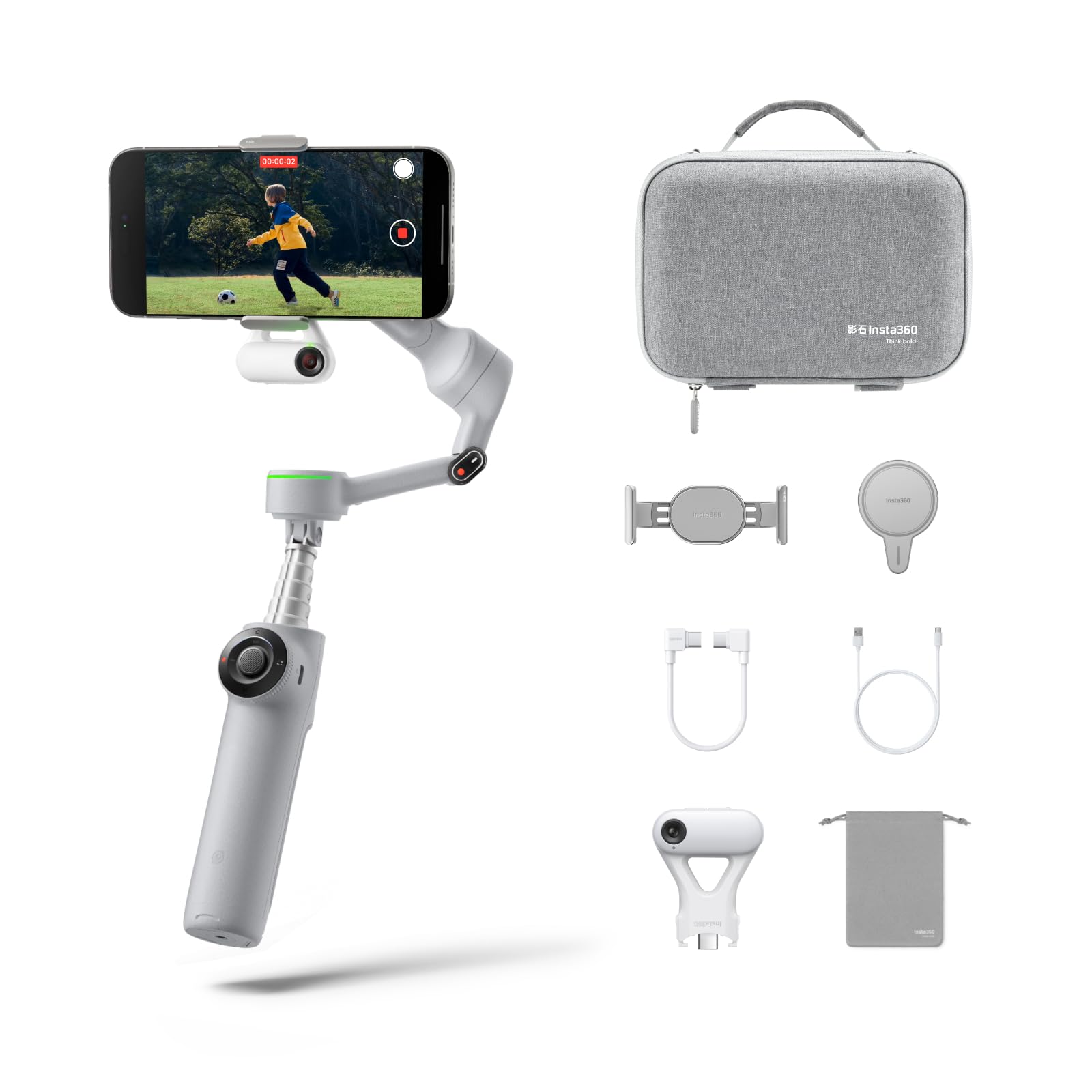
Insta360 Flow 2 Pro Phone Gimbal
The Insta360 Flow 2 Pro is a foldable phone gimbal for compatible iPhone and Android handsets, with a built-in selfie stick, tripod and USB-C power output. It is the sort of sensible bit of kit that appears after someone has filmed another walk-and-talk as though fleeing a wasp.
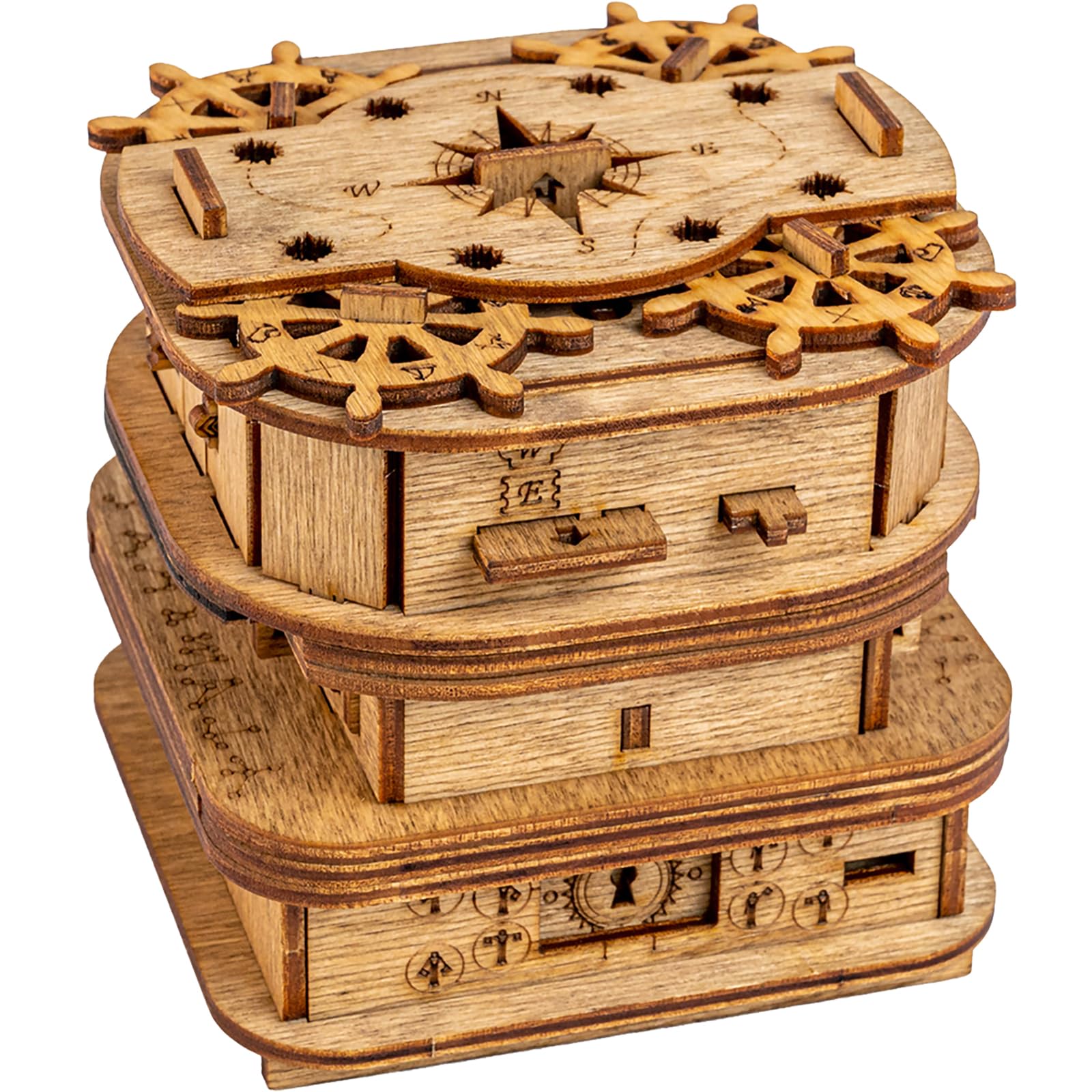
iDventure Cluebox Davy Jones' Locker Puzzle Box
A mechanical escape-room puzzle made from 72 laser-cut birch-wood pieces, with sequential riddles guarding a hidden compartment. Davy Jones' Locker gives you a small wooden object and a perfectly reasonable excuse to become suspicious of every part of it.