

CMYK Wavelength Party Game
Wavelength is a two-team social guessing game in which a clue points towards a hidden target between two concepts. The closer the team’s guess lands to the target’s centre, the more it scores. Reading minds is the premise; discovering how differently your friends interpret a clue is the attraction.
StuffYouMayWant is an editorial curation site. We may earn from qualifying purchases via affiliate links, at no extra cost to you.
At a glance
One-line verdict
Wavelength is a compelling party game for groups who enjoy interpreting each other’s clues, but its appeal depends on enjoying subjective disagreement rather than finding one correct answer.
Best for
Friends and families with players aged 14 and up who enjoy clue-giving, shared interpretation and a reason to debate a seemingly harmless word.
Skip it if
Your group prefers objective answers, dislikes debating interpretations, or needs a game recommended for children younger than 14.
The full picture
Wavelength makes a game out of a familiar social problem: you know what you meant, but everyone else has interpreted it rather differently. Here, that gap is the point. A clue-giver tries to steer their team towards a hidden position on a spectrum between two concepts, and the team earns more points the closer its guess gets to the target’s centre. “Telepathic” is an ambitious description for what is essentially a structured disagreement.
The spectrum is what makes the idea interesting. A clue does not merely have to suggest something; it has to suggest a degree. The team needs to work out not just which direction the clue points, but how far. That gives the conversation a useful focus: everyone is trying to locate the same target, even if their reasoning takes some scenic routes.
For a group that enjoys this kind of interpretation, Wavelength offers a more personal hook than recalling facts. The question is less what you know than how you think someone else thinks. Familiarity might give you a theory about their clue, but it also gives you plenty of confidence with which to be wrong. That is a good foundation for a social game, provided the group finds the disagreement entertaining.
That condition matters. Players who want answers they can establish beyond argument may find the central activity frustrating rather than funny. The scoring supplies a definite outcome, but getting there still depends on subjective judgement. Wavelength is worth choosing because you want that conversation, not because you hope the conversation will end quickly.
The manufacturer lists 2–12 players, a recommended minimum age of 14 and an average play time of 45 minutes. Think of it as an activity to give part of the evening to, rather than a guaranteed five-minute gap-filler. For friends or families with older players who like explaining themselves—and questioning everyone else’s explanation—the mechanism gives that habit somewhere productive to go.
The Irresistible
- The hidden target turns clue-giving into a question of degree, giving teams a specific reason to compare interpretations rather than simply guess a word.
The Clever Part
- The listed 2–12-player range accommodates different gathering sizes.
- Proximity-based scoring rewards getting close, rather than making every guess strictly right or wrong.
The Fine Print
- Subjective clue interpretation is the main activity; players who dislike debating meanings may find little to enjoy.
Buyer questions answered
How many people can play Wavelength?
Wavelength is for 2–12 players and uses a two-team social guessing format.
How long does a game of Wavelength take?
The manufacturer lists an average play time of 45 minutes.
What age is Wavelength recommended for?
The manufacturer recommends Wavelength for ages 14 and up.
How does Wavelength work?
Each round, one player gives a clue intended to place a hidden target along a spectrum between two concepts. Their team guesses the target’s location and scores more the closer its guess is to the centre.
Inside this drop
More from Vol. 46
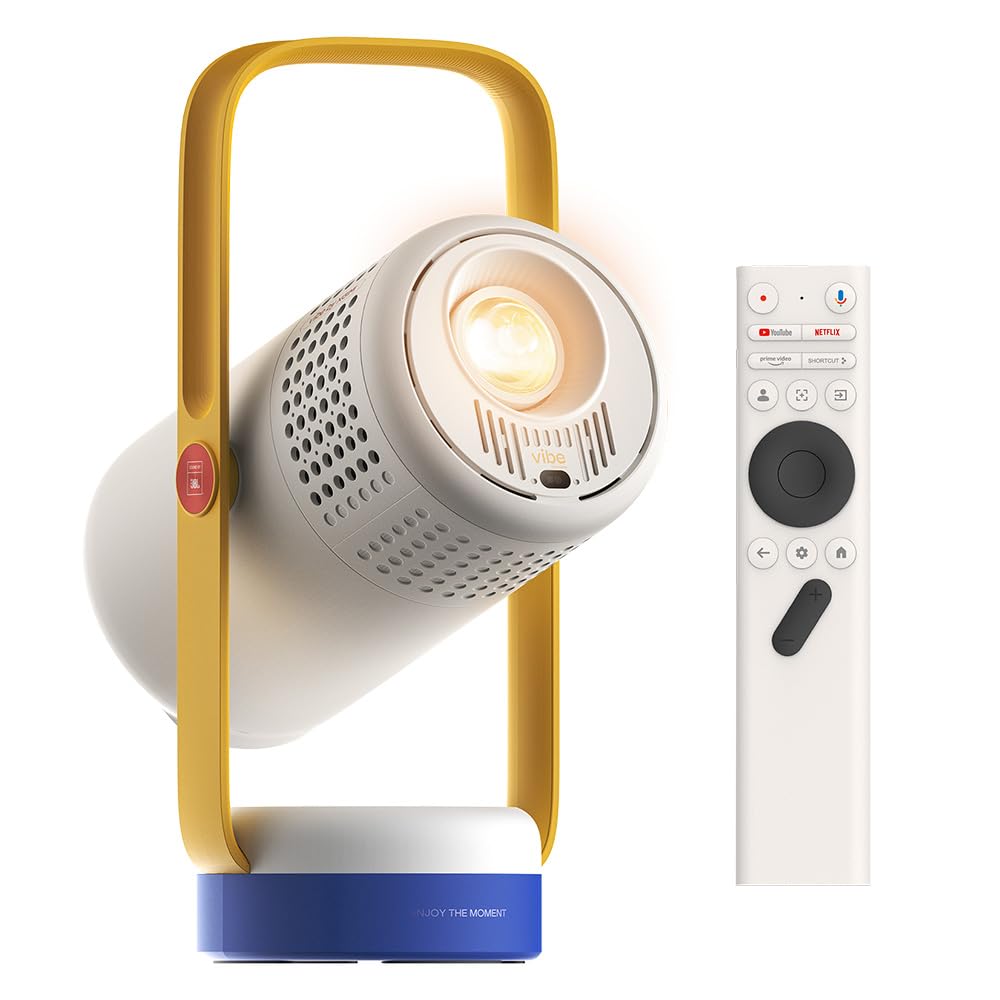
XGIMI Vibe One Battery-Powered Portable Projector
A portable 1080p LCD projector with a built-in battery, two 3 W JBL speakers and a 160° adjustable stand that doubles as a handle. Its appeal is flexible placement, not marathon unplugged viewing: rated video playback tops out at 1.2 hours in Eco Mode.

Netatmo NWS01 Indoor Outdoor Weather Station
A two-module weather station that measures indoor and outdoor temperature and sends the readings to a Netatmo account over Wi-Fi. The indoor module also measures mean sea-level pressure. It brings the weather question closer to home—provided the outdoor sensor gets shade rather than a sunbathing spot.
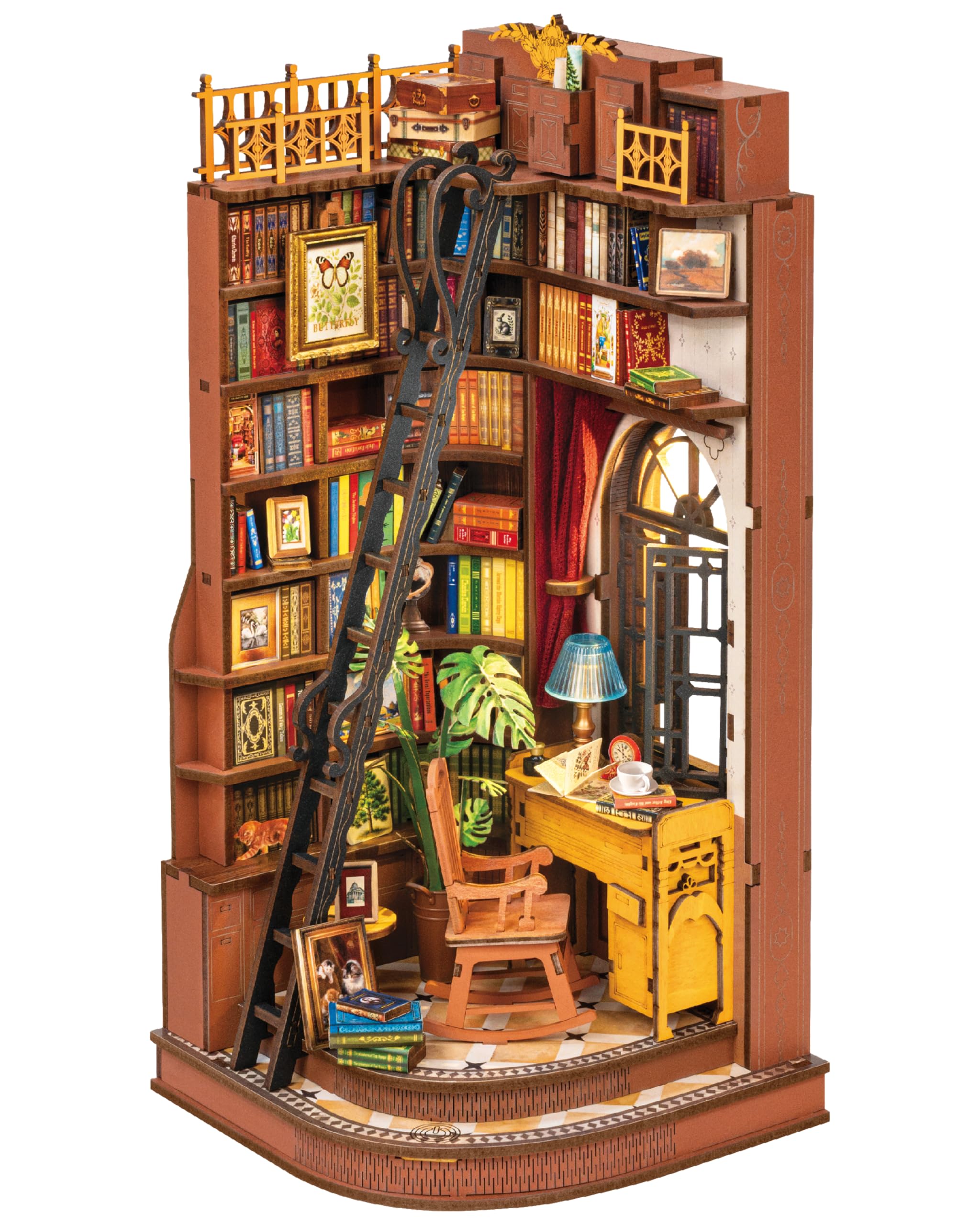
Rolife Silent Corner Study Book Nook Kit
A 196-piece wooden DIY book nook depicting a miniature study/library. The Rolife Silent Corner Study TGE02 turns a small patch of shelf into a room for reading, albeit one with rather restrictive admission requirements.

Atari 2600+ Game Console
The Atari 2600+ is a cartridge-playing retro console with HDMI output, support for most Atari 2600 and 7800 cartridges, and a bundled CX40+ joystick and 10-in-1 cartridge. It brings a very physical kind of gaming back to the television: choosing something to play involves an actual object.
Keep browsing
More Games & Hobbies finds you may want
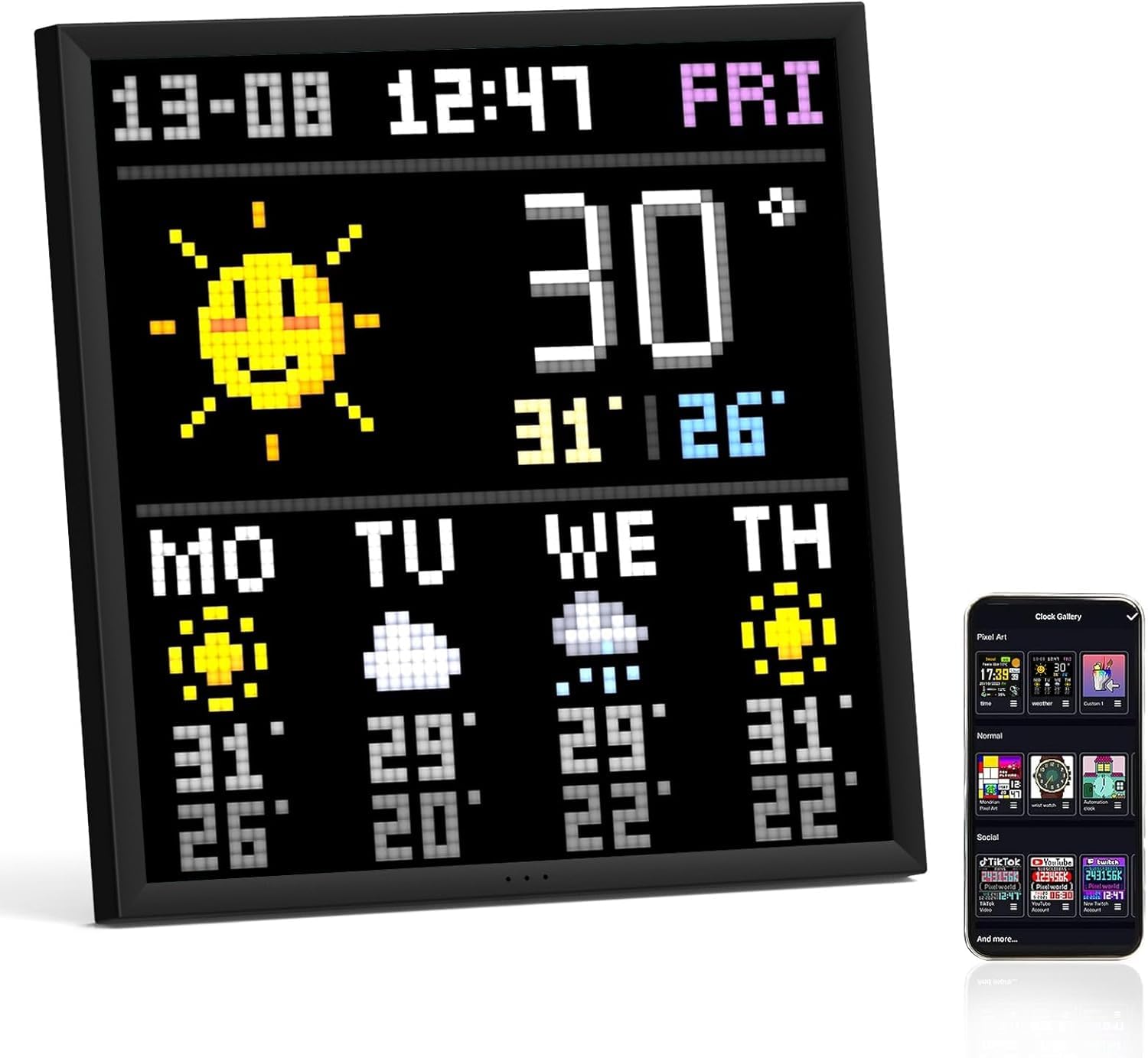
Divoom Pixoo-64 Pixel Art Display
The Divoom Pixoo-64 is a 10.3-inch WiFi pixel art display with a 64x64 LED panel, perfect for showcasing your pixel art creations. It connects easily via USB-C and operates on 2.4GHz WiFi, making it a quirky yet functional addition to your décor.
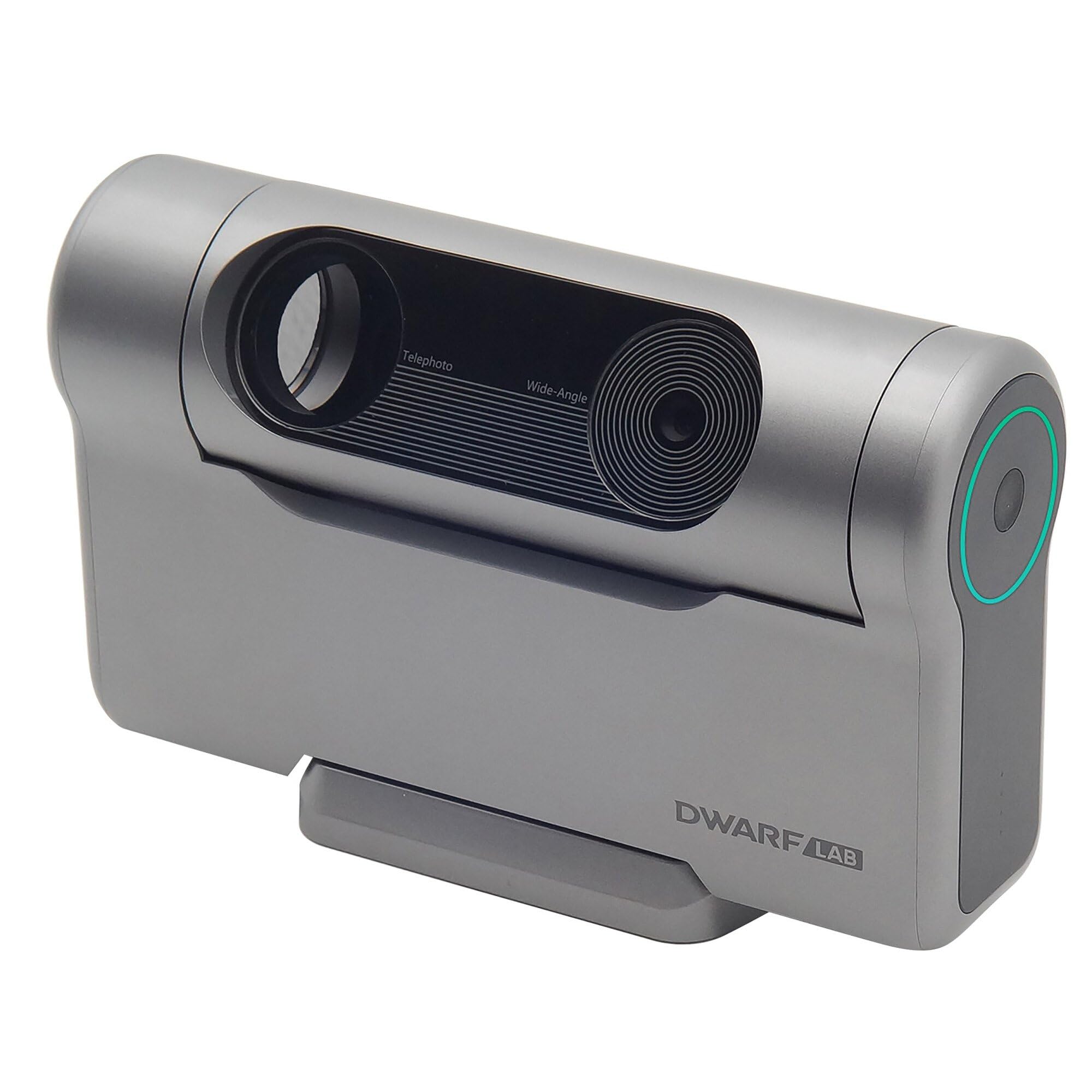
DWARFLAB DWARF 3 Smart Telescope
The DWARFLAB DWARF 3 is a camera-based smart telescope with telephoto and wide-angle optics, three built-in astronomical filters, and onboard storage and battery power. Its appeal is celestial photography; the sky still gets a vote in how straightforward that becomes.
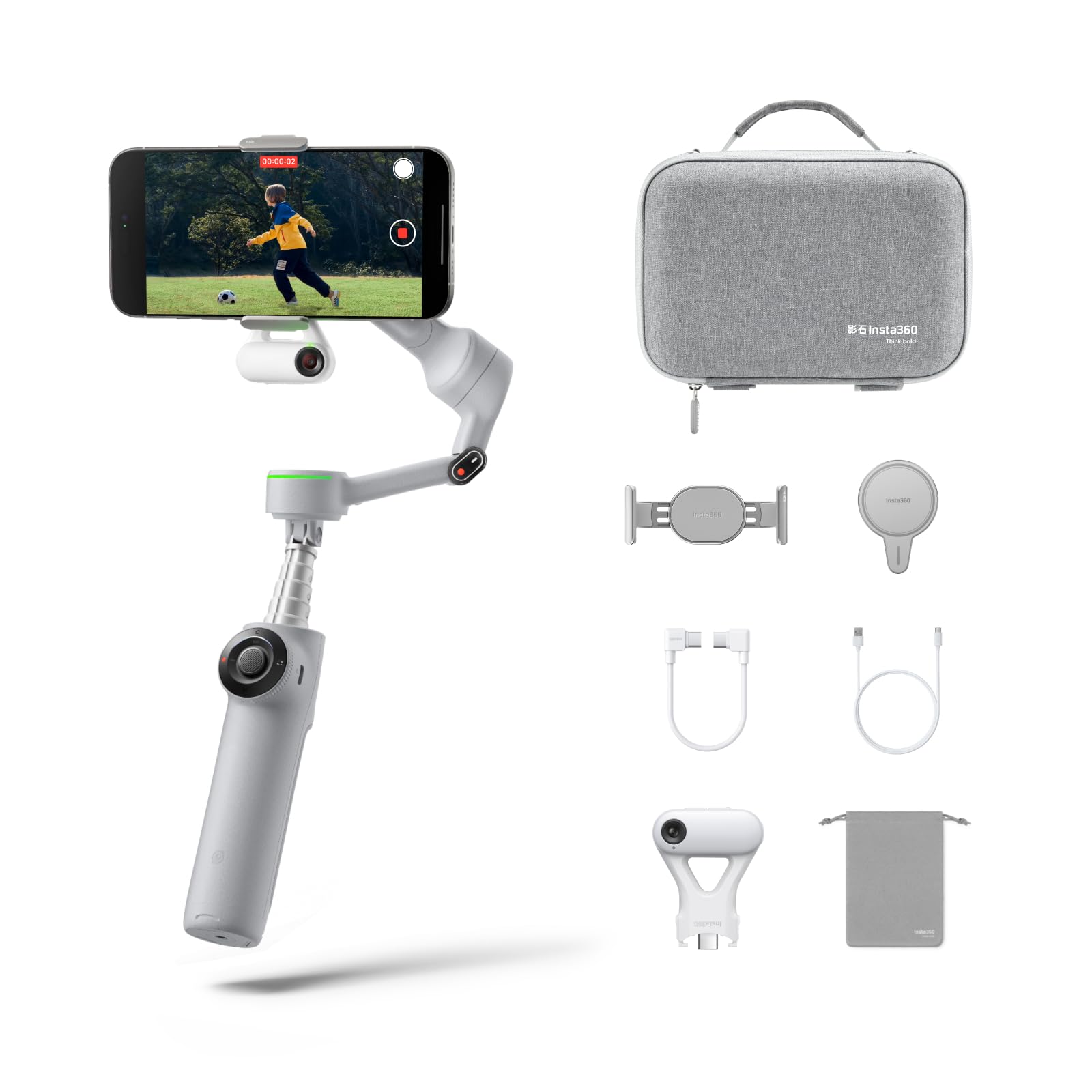
Insta360 Flow 2 Pro Phone Gimbal
The Insta360 Flow 2 Pro is a phone gimbal for supported iPhone and Android devices, with a built-in 210 mm selfie stick, tripod and USB-C power output. It packages several filming accessories into one 357 g gadget, which is handy when a backpack has already become a small domestic dispute.
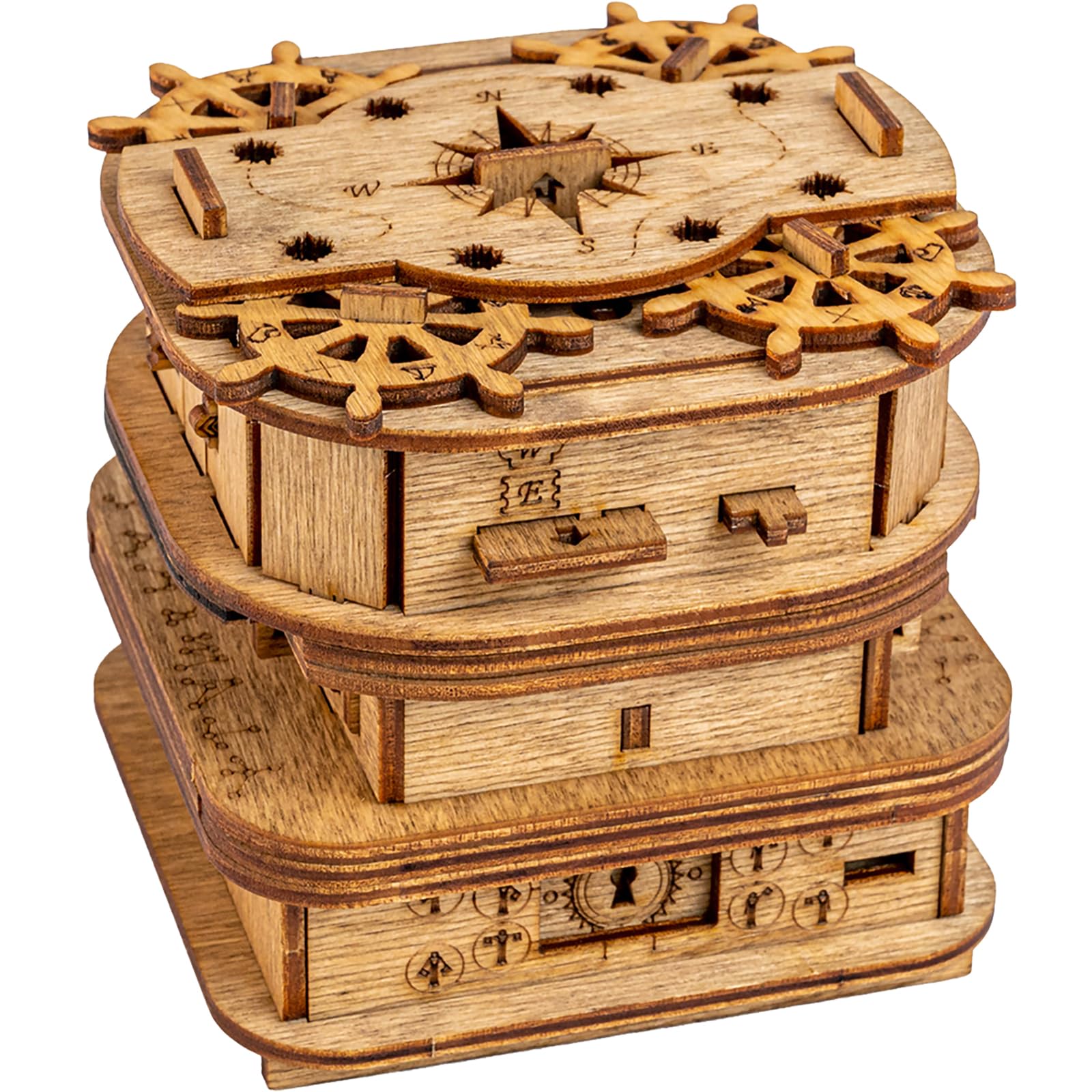
iDventure Cluebox Davy Jones’ Locker Puzzle Box
A handcrafted wooden escape-room puzzle box built from 72 precision laser-cut birch pieces, with sequential mechanical riddles guarding a hidden compartment. Opening the box is the activity, rather than the mildly irritating step before it.