
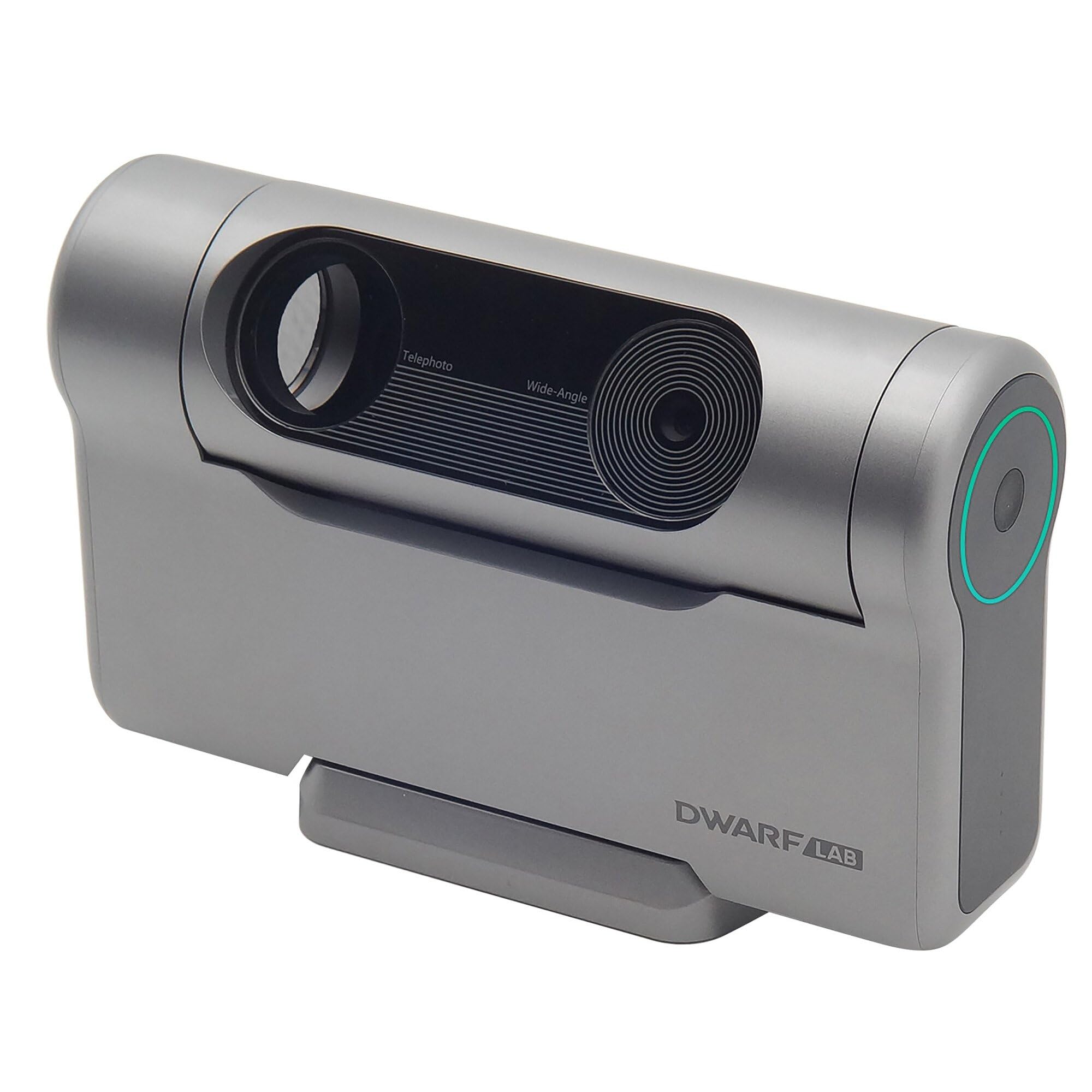
DWARFLAB DWARF 3 Smart Telescope
The DWARFLAB DWARF 3 is a camera-based smart telescope with telephoto and wide-angle optics, three built-in astronomical filters, and onboard storage and battery power. Its appeal is celestial photography; the sky still gets a vote in how straightforward that becomes.
StuffYouMayWant is an editorial curation site. We may earn from qualifying purchases via affiliate links, at no extra cost to you.
At a glance
One-line verdict
An intriguing smart telescope for camera-minded astronomy enthusiasts, with useful built-in filters and storage, but longer deep-sky exposures demand manual settings and careful physical setup.
Best for
Astronomy-curious photographers who want to explore deep-sky imaging and are willing to learn exposure settings and take tripod stability seriously.
Skip it if
You expect fully automatic long-exposure imaging or want a telescope primarily for traditional eyepiece observing rather than a camera-led hobby.
The full picture
The DWARFLAB DWARF 3 makes its strongest case to someone who looks at the night sky and thinks less about an eyepiece and more about a photograph. This is a camera-led astronomy proposition, with dedicated filters, onboard storage and battery power. It invites a new photographic obsession. Conveniently, the subject matter is unlikely to run out.
The telephoto camera uses a Sony IMX678 STARVIS 2 sensor, while a separate fixed-focus wide-angle lens provides a 45 mm-equivalent view. Those are two distinct framing options, not simply two names for the same camera. The lens assembly can rotate 340° horizontally and 240° vertically, giving it considerable aiming range. The attraction is a purpose-built imaging instrument rather than trying to persuade an everyday camera to become an astronomy system through sheer enthusiasm.
The three built-in filters are a particularly meaningful part of that proposition. VIS covers 430–650 nm, Astro covers 430–690 nm, and the Duo-band filter targets Hα and OIII wavelengths. They give the instrument different spectral options for image-making, including one specifically directed at those astronomical emissions. For the buyer interested in learning how celestial images are made, that is more compelling than a long list of generic camera modes. The filters provide room to explore, not a promise that every session produces a frame-worthy nebula.
The important boundary is exposure control. In Deep Sky Mode, Auto Mode stops at 15 seconds; longer exposures require Manual Mode. EQ Mode is recommended at 15 seconds or longer and mandatory at 30 seconds or longer. That makes this a less convincing choice for someone expecting automation to handle every stage of long-exposure work. There is a clear point where the convenient gadget becomes a hobby, and the hobby expects your participation.
Physical setup matters, too. Tripod instability, light wind and ground vibrations can affect long-exposure tracking, potentially stretching or blurring stars. Its standard 1/4″-20 UNC tripod connection is useful, but choosing a compatible support is only the beginning. A sky full of distant objects does not make the instrument indifferent to a wobble beneath it.
The everyday provisions are welcome: 128 GB of built-in eMMC storage, a 10,000 mAh battery and external USB charging support. These make storage and power part of the instrument rather than entirely separate requirements. The listed package also includes a carrying bag and magnetic solar filters. Solar imaging requires a solar filter; that accessory is safety equipment, not optional creative seasoning.
Our judgment is that the DWARF 3 earns attention through its specialised imaging options and integrated essentials. It suits the curious photographer willing to learn the astronomy side, not just admire the idea of it. Buy into the process as well as the pictures, and the proposition becomes much more persuasive.
The Irresistible
- Three built-in filters, including Hα/OIII Duo-band, give astronomy-minded photographers distinct spectral options to explore.
The Clever Part
- Telephoto and fixed-focus wide-angle cameras offer different framing options.
- 128 GB of onboard storage and a built-in battery put key imaging essentials inside the instrument.
- Standard 1/4″-20 UNC tripod compatibility and external USB charging provide practical setup flexibility.
The Fine Print
- Deep Sky Auto Mode caps exposures at 15 seconds; longer exposures require Manual Mode, with EQ Mode mandatory from 30 seconds.
- Long-exposure tracking is sensitive to tripod stability, light wind and ground vibrations, which can blur or elongate stars.
Buyer questions answered
How long can the DWARF 3 expose in Deep Sky Auto Mode?
Deep Sky Auto Mode limits exposures to 15 seconds. Longer exposures require Manual Mode; EQ Mode is mandatory for exposures of 30 seconds or longer and recommended for exposures of 15 seconds or longer.
What tripod connection does the DWARF 3 use?
The DWARF 3 is compatible with tripods using a standard 1/4″-20 UNC thread.
Can the DWARF 3 image the Sun?
Yes, but a solar filter must be used when imaging the Sun. Magnetic solar filters and a solar-filter pouch are included in the manufacturer's listed package contents.
Inside this drop
More from Vol. 40

Nex Playground Active Play System
Nex Playground is a TV-connected active play system that tracks 18 points on the body and supports up to four players at once. Five starter games are included, giving family screen time a reason to involve more than thumbs.

Positive Grid Spark GO Guitar Amplifier
The Positive Grid Spark GO is a rechargeable 5-watt guitar amp with onboard presets, app-based amp modelling and effects, Bluetooth audio and USB recording. At 346 g, it treats guitar practice as something that needn't require moving furniture.

Xiaomi Portable Electric Air Compressor 2 Pro Tire Inflator
A rechargeable tire inflator with preset pressure modes, automatic shutoff and a 3–150 PSI adjustment range. It handles tires and basketballs rather than inflatable boats: portable compressed air, not a shortcut to launching the whole cottage fleet.
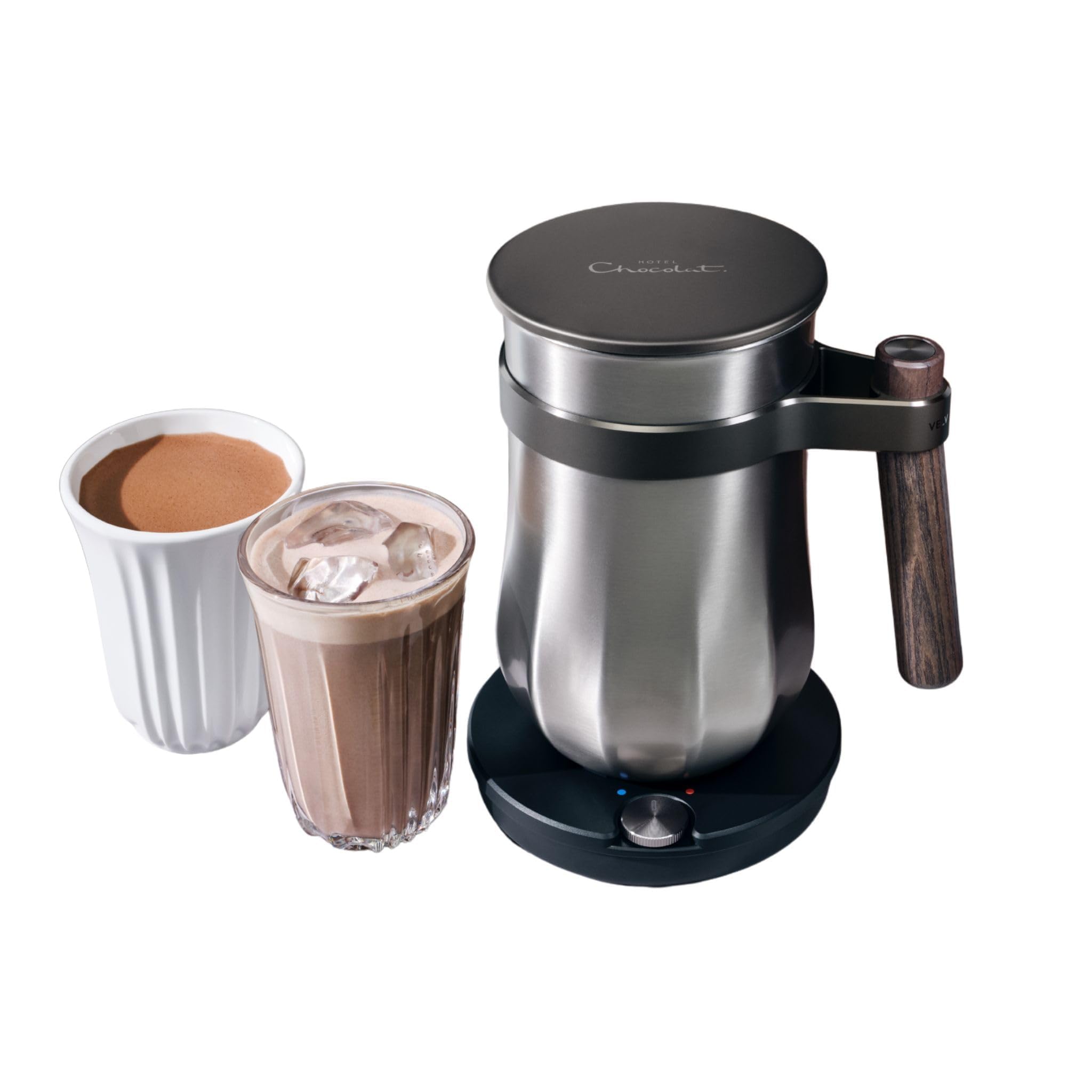
Hotel Chocolat ALL-NEW Velvetiser Drinking Chocolate Maker
A dedicated drinking chocolate maker for hot and cold preparations, with a custom-designed whisk and ridged InnerPod that create a vortex effect. Its 2.5-minute cycle makes a regular chocolate ritual a short one.
Keep browsing
More Games & Hobbies finds you may want
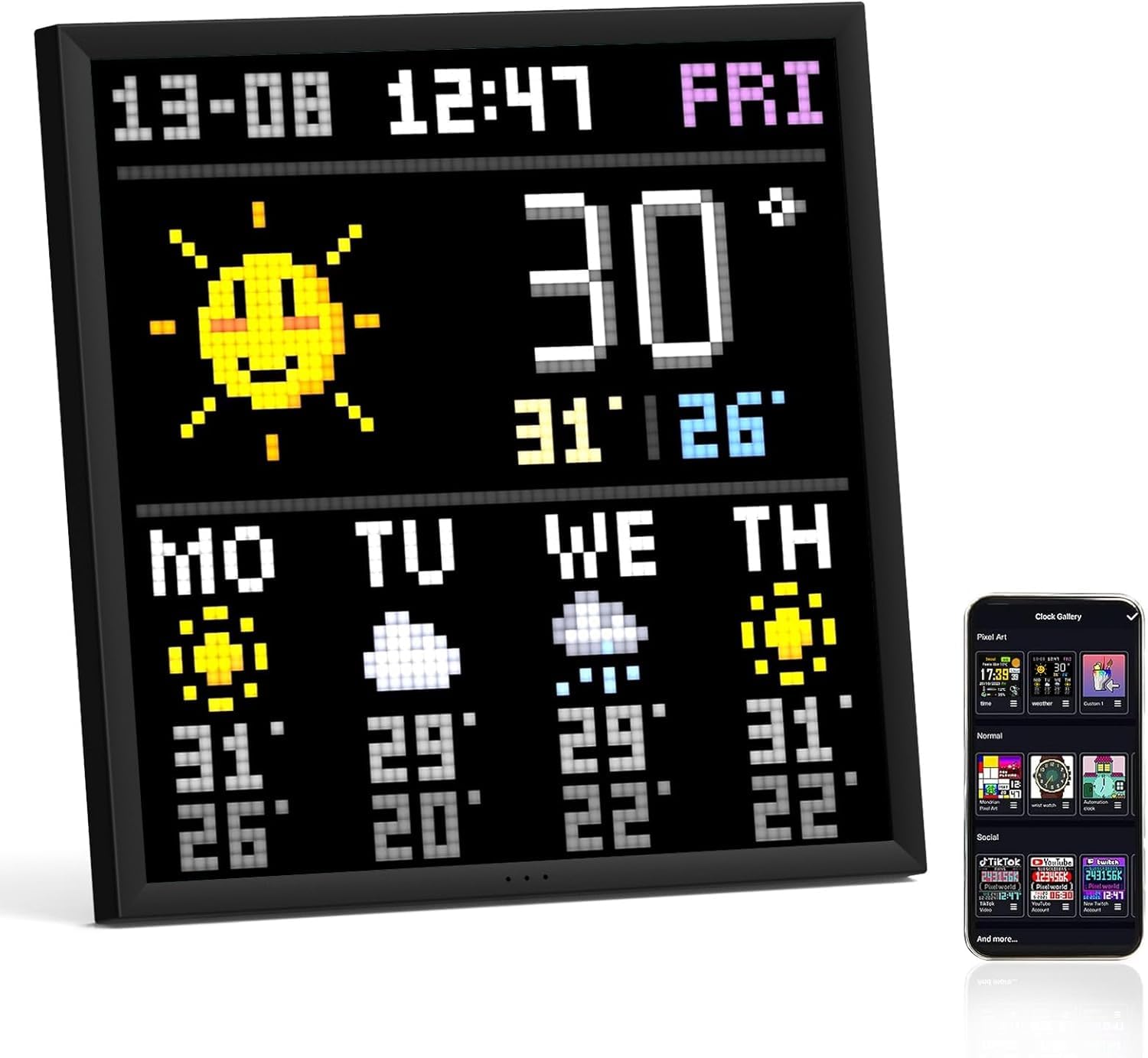
Divoom Pixoo-64 Pixel Art Display
The Divoom Pixoo-64 is a 10.3-inch WiFi pixel art display with a 64x64 LED panel, perfect for showcasing your pixel art creations. It connects easily via USB-C and operates on 2.4GHz WiFi, making it a quirky yet functional addition to your décor.
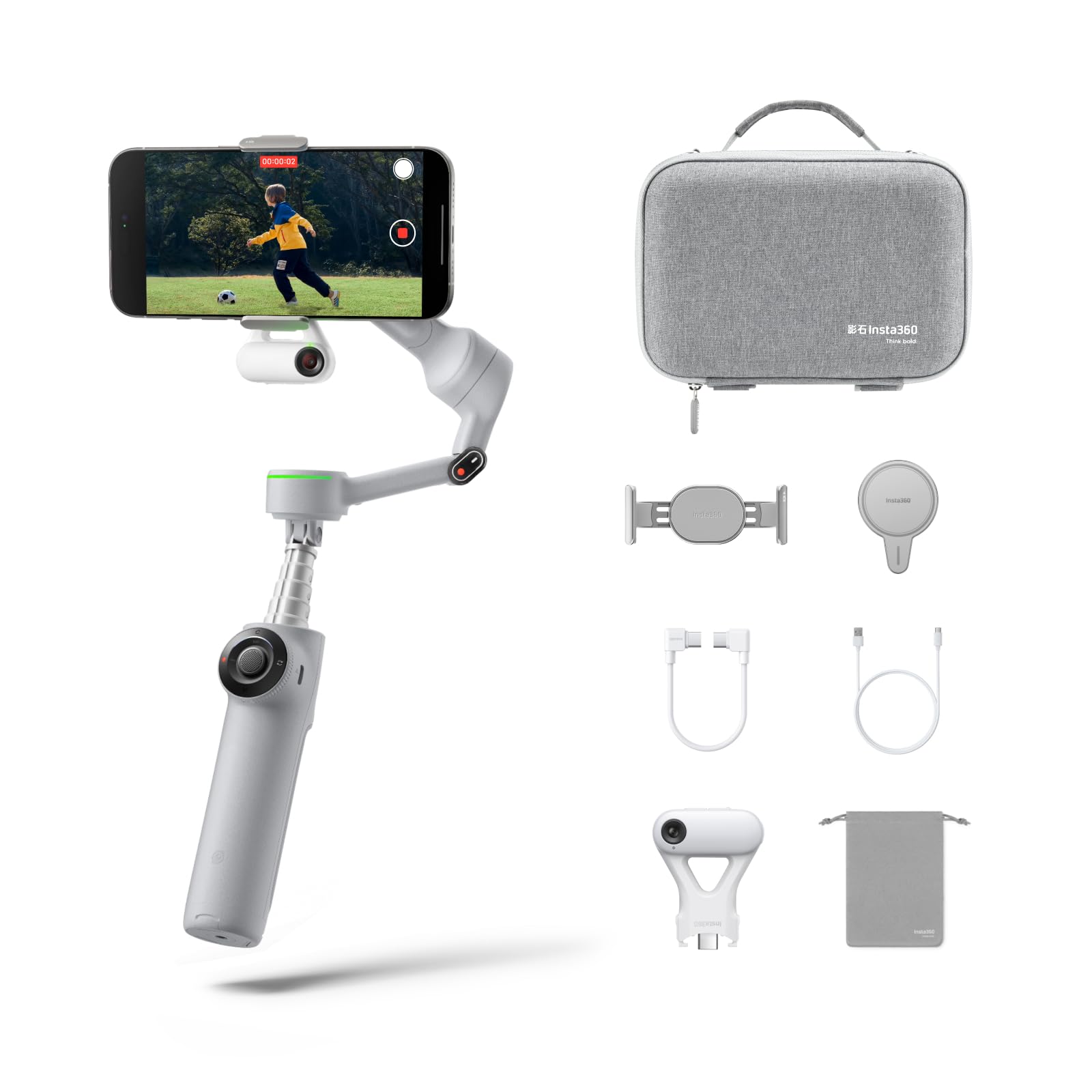
Insta360 Flow 2 Pro Phone Gimbal
The Insta360 Flow 2 Pro is a phone gimbal for supported iPhone and Android devices, with a built-in 210 mm selfie stick, tripod and USB-C power output. It packages several filming accessories into one 357 g gadget, which is handy when a backpack has already become a small domestic dispute.

Insta360 GO 3S 64GB Vlogging Camera
The Insta360 GO 3S 64GB is a tiny 4K vlogging camera with built-in storage, a separate Action Pod, and hands-free mounting options. The camera weighs about 39.1 g, which is useful when a full camera setup would turn a quick walk into a minor production meeting.

Fujifilm instax mini Evo Hybrid Camera
The Fujifilm instax mini Evo is a hybrid instant camera with smartphone printing, remote shooting and image transfer via Bluetooth. It combines digital capture with instax mini film, letting you decide which pictures deserve physical existence rather than blindly printing every blurry brunch photo.