

Shokz OpenSwim Pro Bone-Conduction Headphones
The Shokz OpenSwim Pro combines open-ear bone-conduction headphones with Bluetooth and a built-in 32GB music player. Bluetooth handles listening out of the water; stored audio handles swimming. Your playlist can come along, but underwater it needs to be a file, not a streaming intention.
StuffYouMayWant is an editorial curation site. We may earn from qualifying purchases via affiliate links, at no extra cost to you.
At a glance
One-line verdict
A convincing pair of bone-conduction headphones for swimmers who also want Bluetooth on dry land, provided they are willing to maintain a local music library.
Best for
Swimmers who own audio files and want one pair of open-ear headphones for stored music in the water and Bluetooth listening elsewhere.
Skip it if
Your listening lives entirely in streaming apps and you expect to carry that same wireless connection underwater.
The full picture
The Shokz OpenSwim Pro makes most sense when your week includes both swimming and listening somewhere that is not a pool. Its central trick is not simply being wireless: it combines Bluetooth headphones with a self-contained music player. Those are two different jobs, and here the distinction determines whether your music follows you into the water or stays metaphorically on the deck.
On dry land, Bluetooth provides the connected listening mode. Underwater, Bluetooth does not function, so the OpenSwim Pro plays files from its internal storage instead. This is the essential buying decision, not a footnote. If you already keep a music library, it is a practical arrangement. If your entire collection consists of things you have saved inside streaming apps, expect a change in routine rather than an effortless extension of it. A favourite playlist and a folder of playable audio files are not the same possession.
The built-in player has 32GB of storage, with somewhat less potentially available after system files and data management. More usefully, its format support extends well beyond the MP3 label: FLAC, WAV, AAC, M4A, APE and WMA are supported too. That gives people with existing file collections some flexibility without requiring everything to be converted into one format. The appeal is autonomy: once your audio is stored on the headphones, underwater playback has no need for a live phone connection.
The physical proposition is also distinct from conventional earbuds. This is an open-ear, bone-conduction design weighing 27.3 g, rather than a pair of speakers inserted into your ear canals. That is a meaningful format choice for someone who specifically dislikes in-ear listening. The weight is modest on paper, though a number alone cannot tell you whether this particular shape will suit your head.
Battery planning depends on which half of the product you use. The listed maximum is nine hours over Bluetooth, falling to six hours in MP3 mode—the mode that matters for swimming. A full charge takes approximately 90 minutes, while a ten-minute quick charge is listed to provide three hours of listening. That is a useful provision for discovering, shortly before leaving, that yesterday’s organised version of yourself never plugged it in.
The strongest reason to choose the OpenSwim Pro is that its two modes serve genuinely different settings. It is not the right answer for someone who wants streaming underwater, and maintaining stored music is a small but real chore. For a swimmer comfortable owning audio files, though, that older-fashioned requirement buys something useful: listening that does not ask a Bluetooth connection to do a job it cannot do.
The Irresistible
- Bluetooth and built-in playback give the headphones useful roles both outside the water and during swimming.
- 32GB storage and support for seven audio formats make the onboard player more flexible than its MP3 mode name suggests.
The Clever Part
- The 27.3 g open-ear design offers an alternative to headphones that sit inside the ear canals.
- A ten-minute quick charge provides a listed three hours of listening; a full charge takes approximately 90 minutes.
The Fine Print
- Listed battery life drops from up to nine hours over Bluetooth to six hours in MP3 mode.
The Reality Check
- Bluetooth does not work underwater, so swimming audio must come from files stored on the headphones. If your listening lives entirely in streaming apps, this requires maintaining a separate local audio library.
Buyer questions answered
Does Bluetooth work underwater on the Shokz OpenSwim Pro?
No. Underwater listening is limited to MP3 mode, which plays audio from the headphones’ internal storage.
Which audio file formats does the OpenSwim Pro support?
It supports MP3, FLAC, WAV, AAC, M4A, APE and WMA files. Despite the MP3 mode name, you are not restricted to MP3 files.
How long does the OpenSwim Pro battery last?
Listed battery life is up to 9 hours in Bluetooth mode or up to 6 hours in MP3 mode. A full charge takes approximately 90 minutes.
Inside this drop
More from Vol. 42

Meta Quest 3S Mixed-Reality Headset
The Meta Quest 3S is a mixed-reality headset compatible with Meta’s library of thousands of apps and games, including Quest 3 and 3S exclusives. The appeal is having things to do inside the headset, rather than merely owning something that looks like the future.

Thule Small Compression Packing Cube
A small packing cube with a compression zipper that removes excess air between clothes. Semi-transparent ripstop nylon keeps the contents identifiable without putting your underwear fully on display.

YAMASAN KYOTO UJI Double Brewed Soy Sauce
A double-brewed soy sauce that uses naturally brewed Koikuchi soy sauce in place of salt and water for its second brewing. YAMASAN says it brews slowly for more than 1,000 days with no additives—a considerable commitment to something served by the small dish.

Nix Mini 3 Colour Sensor
The Nix Mini 3 measures surface colours and uses the Nix Toolkit app to find paint matches and digital values including RGB, HEX and CMYK. It gives “that particular green” something more useful than an increasingly elaborate verbal description.
Keep browsing
More Music & Audio finds you may want

Audio-Technica AT-LP70XBT Turntable
A fully automatic belt-drive turntable with Bluetooth, a built-in phono preamp and an AT-VM95C cartridge. The AT-LP70XBT lets you enjoy the record-handling ritual without making tonearm handling part of the evening.

Harman Kardon Aura Studio 4 Bluetooth Speaker
The Harman Kardon Aura Studio 4 is a Bluetooth home speaker with six 40 mm mid-high drivers, a 130 mm subwoofer, and five music-synchronised lighting themes beneath its transparent dome. It is what happens when a speaker refuses to sit quietly in the corner like sensible furniture.

Bose SoundLink Max Portable Speaker
The Bose SoundLink Max is a portable speaker that mixes incredible sound quality with rugged design, perfect for the outdoors or your living room dance-offs.
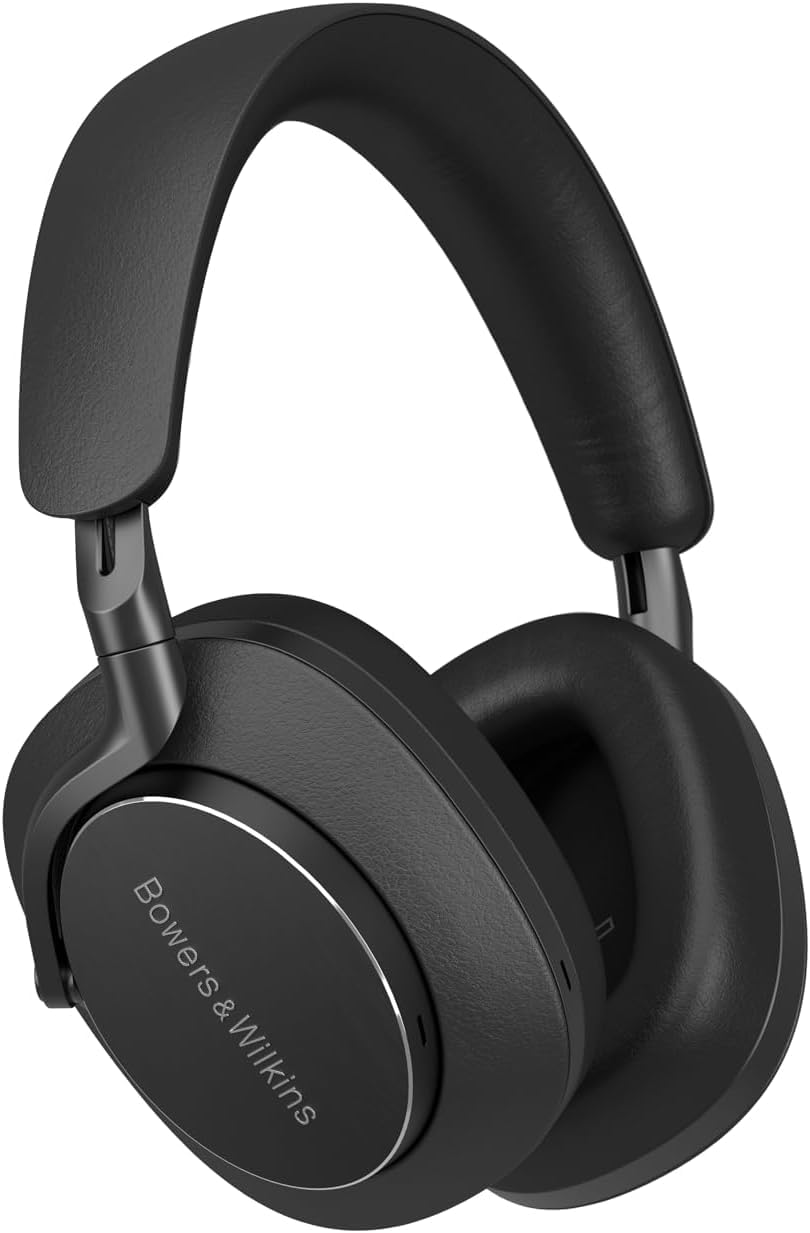
Bowers & Wilkins Px8 Wireless Headphones
The Bowers & Wilkins Px8 are over-ear Bluetooth headphones with hybrid noise cancellation, ambient pass-through, USB-C audio and charging, and a carry case. They also include two 1.2 m cables, because even premium wireless headphones eventually encounter a stubborn old seatback socket.