

Oru Inlet Folding Kayak
The Oru Inlet is a 20 lb (9 kg) folding kayak for sheltered flat water, built from a single sheet of double-layered polypropylene. It packs into its own box form rather than remaining a nearly three-metre storage problem.
StuffYouMayWant is an editorial curation site. We may earn from qualifying purchases via affiliate links, at no extra cost to you.
At a glance
One-line verdict
A compelling folding kayak for space-limited flat-water paddlers, but its non-watertight bulkheads make capsize consequences a serious consideration.
Best for
Space-limited paddlers who want a light, stowable kayak for sheltered inland lakes and slow-moving rivers, and are prepared to plan for capsize safety.
Skip it if
You want rough-water versatility, need more than 275 lb (125 kg) of total capacity, or require watertight compartments to help preserve buoyancy after a capsize.
The full picture
A kayak can be perfectly suited to your local lake and spectacularly unsuited to your home. The Oru Inlet addresses that second problem first: a 9 ft 8 in boat that folds into a box measuring 42 by 10 by 18 inches. For someone without a garage, that transformation is not a party trick. It may be the difference between owning a kayak and continuing to look at kayaks.
The construction is the distinctive part. A single sheet of 5 mm double-layered polypropylene folds into the hull and back into its box form, with overlapping flaps forming the deck. The material includes UV inhibitors. This is a boat whose storage shape is built into its structure, rather than a rigid hull asking you to reorganize your domestic life around it. There is something pleasingly literal about putting the boat away.
At 20 lb (9 kg), the Inlet also makes the carrying part of paddling less imposing. That matters between storage and transport, and between transport and the launch. Light does not mean pocket-sized, though: the folded box is still 42 inches long. Measure the space you intend to use. Optimism is not a unit of measurement.
On the water, its brief is deliberately narrow. The Inlet is intended for sheltered flat water, inland lakes and slow-moving rivers—not rough water, fast currents, whitewater or large surf. Think an unhurried outing in protected conditions, not a boat chosen to cover every future paddling ambition. Its assembled width is 31 inches, and it has an adjustable seat and footrest, giving the paddler ways to tune the fit. Those adjustments are useful; they are not a promise that every body will find the same comfortable position.
Load planning deserves attention too. The 275 lb (125 kg) maximum includes you, your equipment and your provisions. It is not a paddler allowance with the picnic somehow exempt. Anyone approaching that total should treat capacity as a buying constraint, rather than something to negotiate at the shoreline.
The serious qualification is flotation after a capsize. The bulkheads add structural rigidity but are not watertight, and the manual warns that the kayak can fill with water and sink. Sheltered water does not remove the possibility of an upset. This makes appropriate safety equipment and a considered rescue plan essential; the internal partitions should not be mistaken for sealed buoyancy compartments.
Ownership also includes a rinse with clean, fresh water after each use, especially after saltwater paddling. The folded kayak should be stored indoors, away from direct sunlight and heat sources. Folding solves the long-hull problem, not the need to care for a boat.
The Inlet earns its place by making a specific kind of kayaking more feasible: modest outings on suitable water for people whose storage space is already spoken for. Choose it because that matches your real plans, not because the folding is clever enough to excuse a mismatch.
The Irresistible
- Single-sheet folding construction turns a 9 ft 8 in kayak into a 42 × 10 × 18 in box, materially changing the storage requirement.
The Clever Part
- The 20 lb (9 kg) weight makes moving the kayak a less demanding part of the outing.
- An adjustable seat and footrest provide scope to tailor the paddling position.
The Fine Print
- The 275 lb (125 kg) capacity must accommodate the paddler, equipment and provisions together.
- Post-use freshwater rinsing and indoor storage away from sun and heat remain part of ownership.
The Reality Check
- Non-watertight bulkheads do not prevent flooding; the manual warns that a capsized Inlet can fill and sink.
- Its sheltered-flat-water remit rules out rough water, fast-moving water, whitewater and large surf.
Buyer questions answered
How much does the Oru Inlet weigh?
The Oru Inlet weighs 20 lb (9 kg).
What size is the Oru Inlet when folded?
The folded Inlet measures 42 in long, 10 in wide and 18 in high. Check those dimensions against your actual storage space rather than assuming that folding means cupboard-sized.
What is the Oru Inlet's weight capacity?
The maximum load is 275 lb (125 kg), including the paddler, onboard equipment and provisions—not just the person in the seat.
Can the Oru Inlet be used in rough water?
No. The Inlet is intended only for sheltered flat water, inland lakes and slow-moving rivers, not fast-moving or rough water, whitewater or large surf.
Does the Oru Inlet have watertight bulkheads?
No. Its bulkheads provide structural rigidity only and are not watertight. The manual warns that a capsized Inlet can fill with water and sink.
Inside this drop
More from Vol. 45
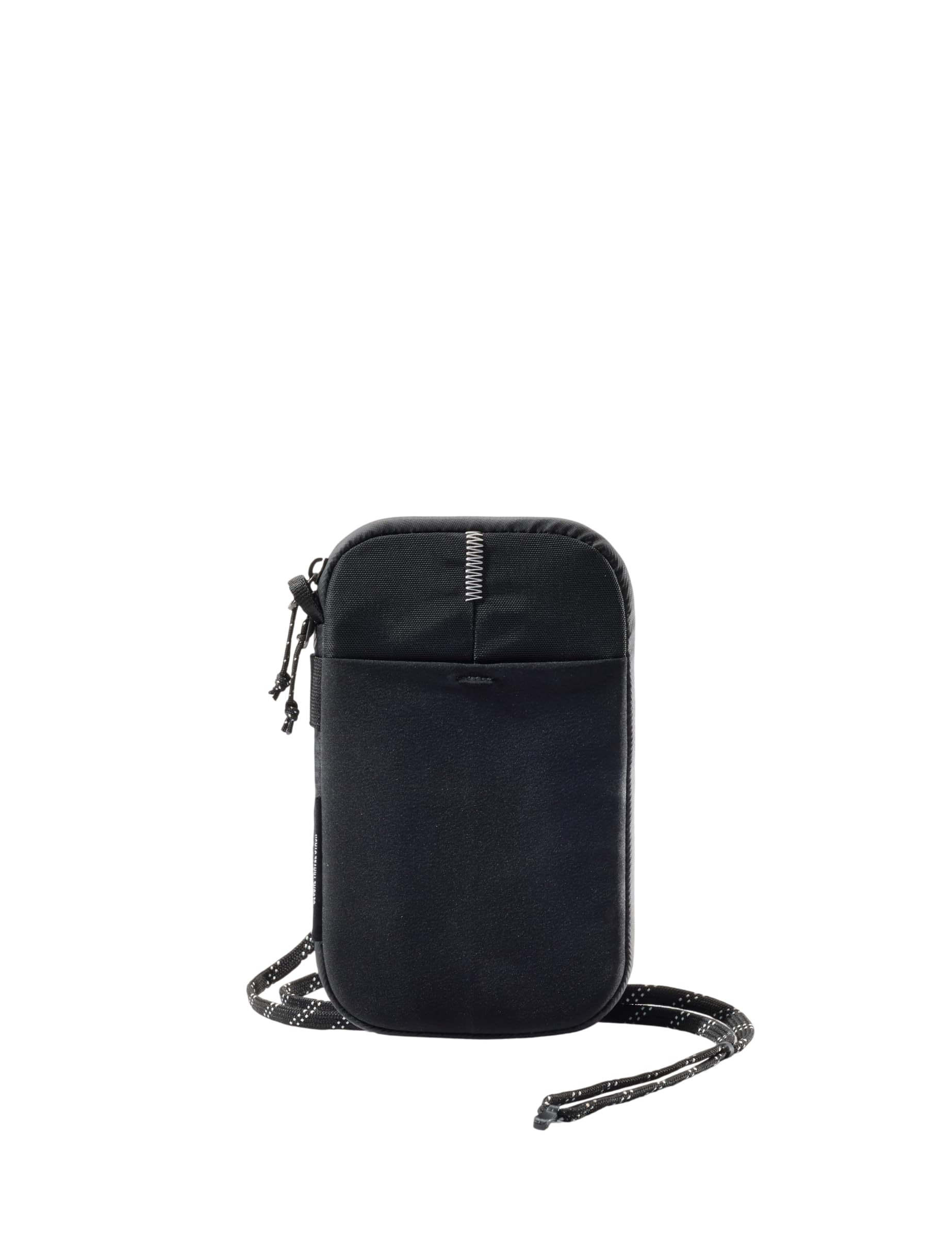
Matador Global Travel Stash Travel Accessory
The Matador Global Travel Stash is a travel accessory whose practical proposition we cannot currently assess. We are withholding a recommendation rather than treating the name as a packing instruction.

Prepara PP07-HSEWH Herb Keeper
The Prepara PP07-HSEWH Herb Savor Eco is a BPA-free plastic container designed to keep herbs hydrated in the refrigerator door. It gives the parsley a dedicated address rather than another temporary home behind the leftovers.
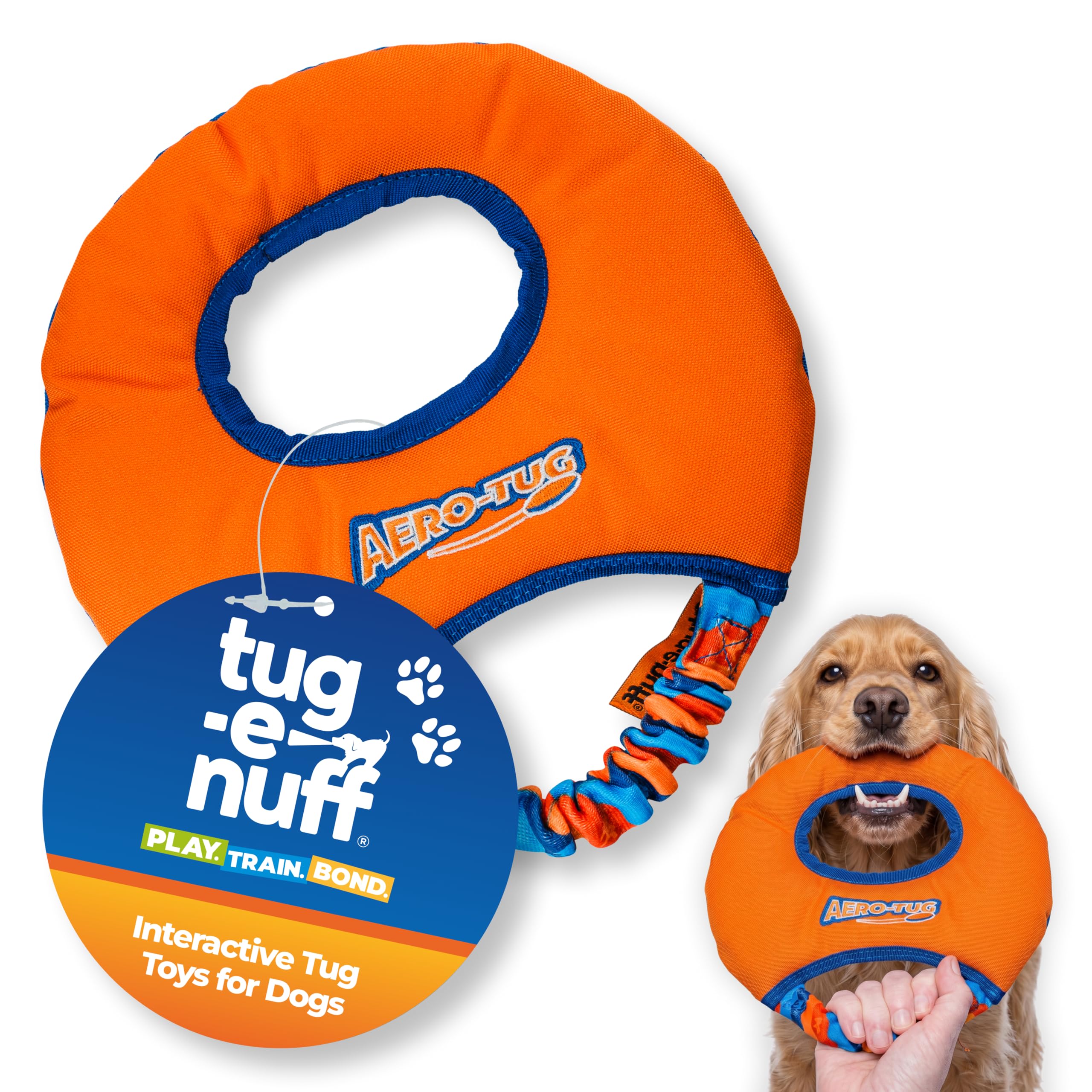
Tug-E-Nuff Aero-Tug Dog Frisbee
A fabric flying disc that doubles as a floating fetch toy and a tug toy, complete with a stretchy bungee handle. The Aero-Tug is made for games with your dog, not for leaving your dog in charge of equipment maintenance.

The Bouquet in a Book: Spring Paper Flower Craft Book
A 128-page paperback containing pre-punched pieces to press out, shape and glue into spring flowers and foliage. Designs include daffodils, tulips, iris and eucalyptus. It turns a book into a bouquet, though the hot glue gun is your contribution to the arrangement.
Keep browsing
More Outdoor finds you may want

BioLite CampStove 2+ Wood-Burning Camping Stove
The BioLite CampStove 2+ is a biomass-fuel camping stove that burns sticks, twigs, or pellets while supplying a 3-watt USB output from its 3,200mAh battery. It boils one litre of water in 4.5 minutes, which is pleasingly useful for a gadget that also asks the forest to contribute ingredients.

eufy E15 Robot Lawn Mower
The eufy E15 is a wire-free robot lawn mower with automatic mapping, multi-zone management, obstacle avoidance, edge trimming and app control. It is designed for lawns up to 0.2 acres and slopes up to 18°, which makes the weekly grass panic someone else’s tiny mechanical problem.

GRAYL GeoPress 710 ml Water Purifier Bottle
The GRAYL GeoPress is a 710 ml water purifier bottle listed for hiking, camping, survival, and travel. Its stated 99.99% bacteria-and-virus elimination claim gives it a very particular appeal: fewer water-source negotiations when the outdoors has become unnecessarily complicated.

GORUCK Rucker 4.0 Rucking Backpack
The GORUCK Rucker 4.0 is a 20 L purpose-built rucking backpack with a dedicated ruck plate pocket and extra padded straps. It exists for the admirably niche moment when a normal walk has acquired paperwork, intent, and a weighted plate.